AI Summary A urinalysis is a simple urine test that checks for signs of infection, kidney problems, diabetes, and liver disease. It has three parts: a chemical dipstick, a visual exam, and a microscopic exam. Bilirubin in urine may point to the liver, while protein and blood more often point to the kidneys or urinary tract. It does not diagnose liver disease alone. Doctors read it with blood tests. Call your doctor if dark urine lasts longer than one day.

Source: www.liverdirectory.com

Urinalysis

Medically Reviewed.

A urinalysis checks a sample of your urine for color, clearness, and chemicals. It needs no needle or scan. Doctors use it to look for early signs of several health problems, including liver disease.

This page explains how the test works, what common findings may mean, and when to call your doctor. It also links to detailed guides on bilirubin, urobilinogen, protein, and ketones.

A urinalysis does not diagnose liver disease on its own. Your care team reads it together with your symptoms, blood tests, and imaging.

AimyLiver Health AI Assistant
Ask about symptoms, tests, diet, or specialist care.
What does a FibroScan result mean?
I can explain the terms and help you prepare questions.
(opens in a new tab)

Ask Aimy

Turn confusion into a better next question.

Aimy answers from LiverDirectory’s reviewed health information — helping patients make sense of liver-health terms, prepare for specialist visits, and explore what to look up next.

By asking, you agree to the Terms & Conditions and Privacy Policy.

Urine test basics

What Is a Urinalysis?

A urinalysis is a simple test that checks your urine (pee) for signs of health problems. Doctors use it to look for infections, kidney problems, diabetes, and liver disease. It can find some diseases early, when treatment works better.

For liver care, the urinalysis is a supporting test. Bilirubin in urine may point to the liver. Most other findings, such as protein or blood, point more often to the kidneys or urinary tract.

That is why doctors read a urinalysis alongside blood work such as liver function tests. Together, the results give a fuller picture than any single test.

This group has four detailed guides: bilirubin, urobilinogen, protein, and ketones.

Key Facts About Urinalysis

  • A urinalysis checks urine for signs of infection, kidney problems, diabetes, and liver disease.
  • Bilirubin is a waste product from old red blood cells. A healthy liver normally removes it from the blood, so bilirubin in urine may be a sign of liver disease.
  • A full urinalysis has three parts: a chemical dipstick test, a visual exam, and a microscopic exam.
  • Blood in urine needs further testing, but it does not mean you have a serious medical problem.
  • Dark urine that lasts longer than one day, or comes and goes, is a reason to speak with your health care provider.

How the test works

The Three Parts of a Urinalysis

Each part looks for something different. Your lab may report one, two, or all three.

Chemical Dipstick Test

A thin plastic stick with chemical strips is dipped into a recently produced urine sample. A strip changes color when a substance is above normal. The dipstick can check acidity (pH), protein, glucose (sugar), white blood cells, bilirubin, and blood.

Visual Exam

The lab looks at the color and clearness of your urine. Blood can make urine look red or the color of tea or cola. Infection can make it look cloudy. Foamy urine can be a sign of kidney problems. Dark brown, clear urine can point to extra bilirubin, which is linked to liver disease.

Microscopic Exam

A small amount of urine is viewed under a microscope. This finds things you cannot see by eye: red blood cells, white blood cells, bacteria, and crystals. Crystals form from chemicals in urine and can grow into kidney stones over time.

Common urine test results

What Common Urinalysis Findings May Mean

These are common patterns. A single result rarely gives the full answer.

FindingWhat it isWhat it may suggest
BilirubinA waste product from the breakdown of old red blood cells, normally removed by the liverMay be a sign of liver disease
ProteinA building block that belongs in your blood, not your urineSuggests the kidney's filtering units may be damaged
Glucose (sugar)A sugar that normally stays in the bloodUsually a sign of diabetes
White blood cellsAlso called pus cellsA sign of infection
BloodRed blood cells in the urineCan point to infection, a kidney problem, certain medicines, or heavy exercise; needs further testing
Acidity (pH)A measure of acid in the urineAbove normal may suggest kidney stones, urinary infections, or kidney problems
KetonesChemicals checked in urine or blood, mainly in people with diabetesTesting can show whether type 1 diabetes has led to ketoacidosis

Food colorings, supplements, and dehydration can make urine look darker for a short time. Blood in urine can also come from certain medicines or heavy exercise. Your doctor will decide which results need follow-up.

Detailed urine test guides

The Urinalysis Guides in This Group

Bilirubin and urobilinogen are the two chemicals most tied to the liver. Protein and ketones help your care team check the kidneys and diabetes.

Bilirubin

Bilirubin in urine may be a sign of liver disease. Your doctor may compare it with the bilirubin level in your blood.

Urobilinogen

Urobilinogen is another urine chemical your care team may review alongside bilirubin. The guide explains how to read it in context.

Protein

Protein in urine suggests the kidney's filtering units may be damaged. Kidney health matters in liver care, because advanced cirrhosis can lead to kidney injury.

Ketones

Ketone testing is used mainly to check whether type 1 diabetes has led to ketoacidosis. It can be done on urine or blood.

Support Your Diet Alongside Your Care

Amsety Bars were designed for people with liver conditions by liver health experts. They offer a convenient way to add energy and nutrients to a liver-friendly diet. Ask your provider what fits your needs.

Explore Liver Health Nutrition Bars
Amsety Bar in Dark Chocolate and Peanut Butter flavors

Urine and liver symptoms

When Urine Changes Need a Call

Urine changes can be an early sign of liver disease, but liver disease does not always cause symptoms. Contact your doctor if you notice any of the changes below.

Call Your Doctor if You Notice

  • Dark urine that lasts longer than one day or comes and goes
  • Yellowing of the skin or eyes (jaundice)
  • Pale stool
  • Itchy skin, fatigue, or pain in the upper right abdomen
  • Red, tea-colored, or cola-colored urine
  • Cloudy or foamy urine

Find a Liver Specialist Near You

Liver Health Coach
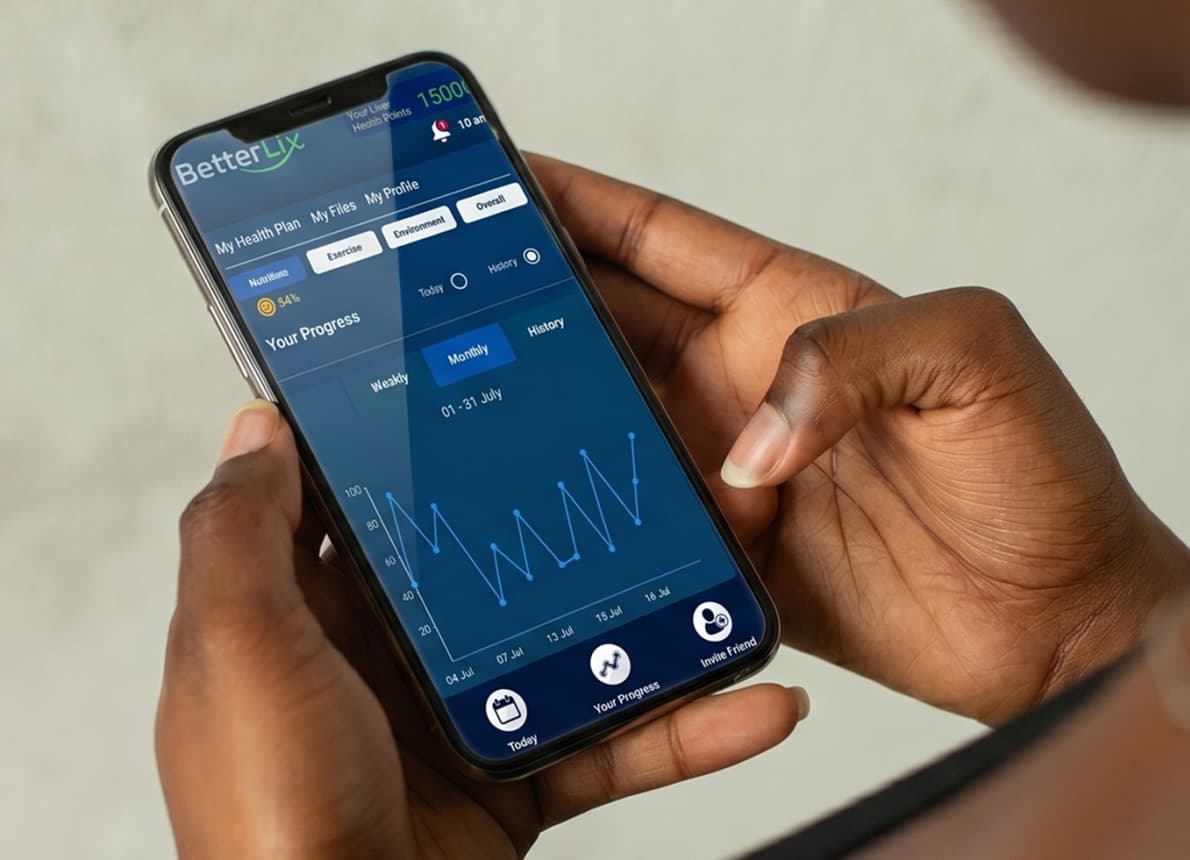
BetterLix app dashboard on a mobile phone

Liver health support

Support Your Liver Health Journey with BetterLix

BetterLix is a digital liver health support app designed to help you understand liver conditions, track symptoms, and build healthier daily habits. It provides simple, personalized guidance to help you stay informed about your liver health and monitor progress over time.

  • Liver symptom tracking and monitoring
  • Daily liver health habit guidance
  • Educational insights about liver conditions
  • Progress tracking for liver wellness

Common Questions

Answers to Common Urinalysis Questions

Can a urinalysis diagnose liver disease?

No. A urinalysis checks for signs of several problems, including infection, kidney problems, diabetes, and liver disease. Bilirubin in urine may be a sign of liver disease, but your doctor confirms a diagnosis with blood tests, imaging, and sometimes other exams.

What does bilirubin in urine mean?

Bilirubin in urine may be a sign of liver disease. Bilirubin is a waste product from old red blood cells, and a healthy liver normally removes it from the blood. Your doctor will look at your blood bilirubin and other liver tests to find the cause.

Does dark urine always mean a liver problem?

Not always. Dark urine linked to liver disease is usually consistently dark brown and clear, not cloudy, because of extra bilirubin. Food colorings, supplements, and dehydration can also darken urine for a short time. If it lasts longer than one day or comes and goes, speak with your provider.

What if my urinalysis shows blood?

Blood in urine needs further testing, but it does not mean you have a serious medical problem. Infection, a kidney problem, certain medicines, or even heavy exercise can cause it. Your doctor will decide which tests come next.

What happens during a urinalysis?

A dipstick is dipped into a recently produced urine sample. The lab also checks color and clearness and may look at the sample under a microscope. Ask your care team if they have special instructions for collecting your sample.

Medical disclaimer: LiverDirectory provides educational information and a directory of providers. It does not provide medical advice, diagnosis, or treatment. Always consult a licensed physician regarding any medical condition.