AI Summary Ascites is fluid buildup in the abdomen, most often caused by advanced liver disease or cirrhosis. Doctors start with a history, physical exam, blood tests, and usually an ultrasound. Diagnostic paracentesis tests a small sample of the fluid to check for infection and help find the cause. Albumin tests in the fluid and blood add clues. Swelling, weight gain, and bloating can prompt testing. Prepare by listing your symptoms and medicines.

Source: www.liverdirectory.com

Ascites Testing

Medically Reviewed.

Ascites is a buildup of fluid in the abdomen. It is a sign of another problem, most often advanced liver disease, so testing has two jobs: confirm the fluid is there and learn what is causing it.

Testing can include a physical exam, an ultrasound, blood and urine tests, and diagnostic paracentesis, where a small sample of the fluid is removed and sent to a lab. Your care team reads the results together with your symptoms and history.

This page explains the main ascites tests, when doctors order them, what results can show, and how to prepare for a visit with a liver specialist.

AimyLiver Health AI Assistant
Ask about symptoms, tests, diet, or specialist care.
What does a FibroScan result mean?
I can explain the terms and help you prepare questions.
(opens in a new tab)

Ask Aimy

Turn confusion into a better next question.

Aimy answers from LiverDirectory’s reviewed health information — helping patients make sense of liver-health terms, prepare for specialist visits, and explore what to look up next.

By asking, you agree to the Terms & Conditions and Privacy Policy.

Diagnosing fluid buildup

What Is Ascites Testing?

Ascites testing is the set of exams and lab tests doctors use to find fluid in the abdomen and work out why it is there. Ascites is an abnormal buildup of fluid in the lining of the abdomen and the organs around it. It is not a disease. It is a symptom of an underlying condition.

Advanced liver disease and cirrhosis are the most common causes. Ascites forms when pressure rises in the blood vessels of the liver (portal hypertension) and the blood level of the protein albumin falls. Hepatitis C, long-term heavy alcohol use, heart failure, pancreatitis, kidney dialysis, certain cancers, and blood clots in the liver's veins can also cause it.

The first evaluation is a careful history, a physical exam, blood tests of liver and kidney function, and usually an ultrasound. Testing the fluid itself comes next. Three pages cover the fluid and albumin tests in detail:

Paracentesis can also remove fluid to relieve symptoms. That is treatment, not testing, and it is covered on the Paracentesis page.


Key numbers to know

Ascites Testing at a Glance

  • Nearly 80% of ascites cases occur in people with cirrhosis.
  • 5% to 10% of people with compensated cirrhosis develop ascites each year. It is often the first sign that cirrhosis has become decompensated.
  • 250 neutrophils per cubic millimeter of ascitic fluid is the level doctors use to diagnose spontaneous bacterial peritonitis (SBP), an infection of the fluid.
  • Up to 3.5% of outpatients with SBP have no symptoms.
  • A delay of more than 12 hours in diagnosing SBP after hospital admission is linked to a 2.7-fold higher risk of death.

Fluid and albumin tests

Ascites Tests You Can Read About

Each test answers a different question. Start with the fluid sample, then look at albumin in the fluid and in your blood.

Diagnostic Paracentesis

A doctor uses a thin needle to remove a small sample of abdominal fluid. The lab counts the cells and measures protein and albumin. It also grows the fluid in a culture to look for bacteria. This testing is essential for guiding diagnosis and care.

Sample:
Abdominal fluid
Checks for:
Infection, protein, albumin

Ascitic Fluid Albumin

This test measures albumin in the fluid taken during paracentesis. Doctors compare it with the albumin level in your blood to help judge what is causing the fluid.

Sample:
Abdominal fluid
Checks for:
Likely cause of the fluid

Serum Albumin

This blood test measures albumin, a protein your liver makes. Low levels can be a sign of liver damage. Low albumin is also one of the two main drivers of ascites, along with high pressure in the liver's blood vessels.

Sample:
Blood
Checks for:
Liver protein production

Symptoms and warning signs

When Your Doctor May Order Ascites Testing

Doctors look for ascites when a person with liver disease has new swelling or weight gain, or when fluid shows up on a scan. Fluid can build up slowly or quickly. A small amount may not be noticeable at all.

Signs That May Prompt Testing

  • Abdominal swelling or a belly that looks larger
  • Bloating, a sense of fullness, or indigestion
  • Weight gain
  • Ankle or leg swelling (edema)
  • Changes to the navel
  • Decreased appetite, nausea, or fatigue
  • Shortness of breath when a large amount of fluid builds up

Compare tests side by side

Which Test Checks What

Your doctor chooses tests based on your symptoms, your liver disease, and what earlier results showed.

TestSampleWhat it tells your care team
Physical examNoneCan diagnose moderate to severe ascites on its own
UltrasoundNone (imaging)Confirms fluid and helps rule out other causes, such as cancer or heart failure
Liver function testsBloodShow how well the liver is working, including albumin
Kidney function testsBloodCheck how the kidneys are coping, which matters in advanced liver disease
Urinalysis or 24-hour urine collectionUrineMeasure electrolyte levels and other kidney clues
Diagnostic paracentesisAbdominal fluidCounts cells, measures protein and albumin, and looks for infection

No single test is definitive in all cases, so doctors combine several.

Conditions behind fluid buildup

Explore Liver Diseases Linked to Ascites

Testing looks for fluid and for its cause. These pages explain conditions that can lead to ascites.

Alcoholic Liver Disease

Long-term heavy alcohol use is a common cause of advanced liver disease and ascites.

Hepatitis C

Hepatitis C can damage the liver over time and lead to cirrhosis, a leading setting for ascites.

Liver Cancer

Certain cancers can cause fluid to build up in the abdomen. Ultrasound helps your team rule them out as a cause.

Reading your lab findings

Understanding Your Ascites Test Results

Your doctor explains results in the context of your liver disease. These are the main findings and what they can mean.

Cell Count and Culture

Doctors count white blood cells called neutrophils in the fluid. A count of 250 cells per cubic millimeter or higher, or a positive bacterial culture, means spontaneous bacterial peritonitis (SBP). SBP is an infection of ascitic fluid with no obvious source in the abdomen. It can occur even without symptoms and needs urgent treatment.

Protein and Albumin in the Fluid

The lab also measures protein and albumin in the fluid. Your team uses these numbers with your history, exam, and imaging to decide what is causing the ascites and how to manage it.

Albumin in Your Blood

A healthy albumin level in blood is about 3.5 to 5.0 grams per deciliter. A low level can be a sign of liver damage. Low albumin also contributes to fluid buildup.

Kidney Function and Sodium

Kidney and sodium levels matter because advanced cirrhosis can affect both. A blood sodium below 130 millimoles per liter (hyponatremia) carries a worse outlook. Severe kidney failure specific to advanced cirrhosis is called hepatorenal syndrome.

Reference ranges can differ between labs. Ask your care team how your lab reports results.

Procedure step by step

What Happens During Ascites Testing

Exams, blood draws, and ultrasound are painless and routine. Diagnostic paracentesis is the only step that uses a needle in the abdomen.

  • Your team examines your abdomen and may use ultrasound to find a safe pocket of fluid.
  • They clean your skin and numb it with a local anesthetic.
  • A needle or catheter goes into the abdomen, and the team draws out a sample of fluid.
  • The sample goes to the lab for cell count, protein, albumin, and culture.
  • Your team may check blood pressure, kidney function, and symptoms afterward, especially if a large amount of fluid is removed.

Most people go home the same day unless they need extra monitoring.

Support Your Diet Alongside Your Care

Amsety Bars were designed for people with liver conditions by liver health experts. They offer a convenient way to add energy and nutrients to a liver-friendly diet. Ask your provider what fits your needs.

Explore Liver Health Nutrition Bars
Amsety Bar in Dark Chocolate and Peanut Butter flavors

Appointment preparation tips

How to Prepare for Your Visit

A little preparation helps your liver specialist interpret your results.

Before Your Appointment

  • Write down when the swelling started and any changes in weight, appetite, or breathing.
  • Track your weight and abdominal size if your care team asks you to.
  • List all medicines, including diuretics, and any supplements.
  • Follow any sodium limits your team has set, and avoid alcohol.
  • Ask what each test checks, when results will be ready, and what happens next.

Bring questions to every visit. A short written list makes it easier to cover everything.

Download Free Liver Test Patient Guide

Find a Liver Specialist Near You

Liver Health Coach
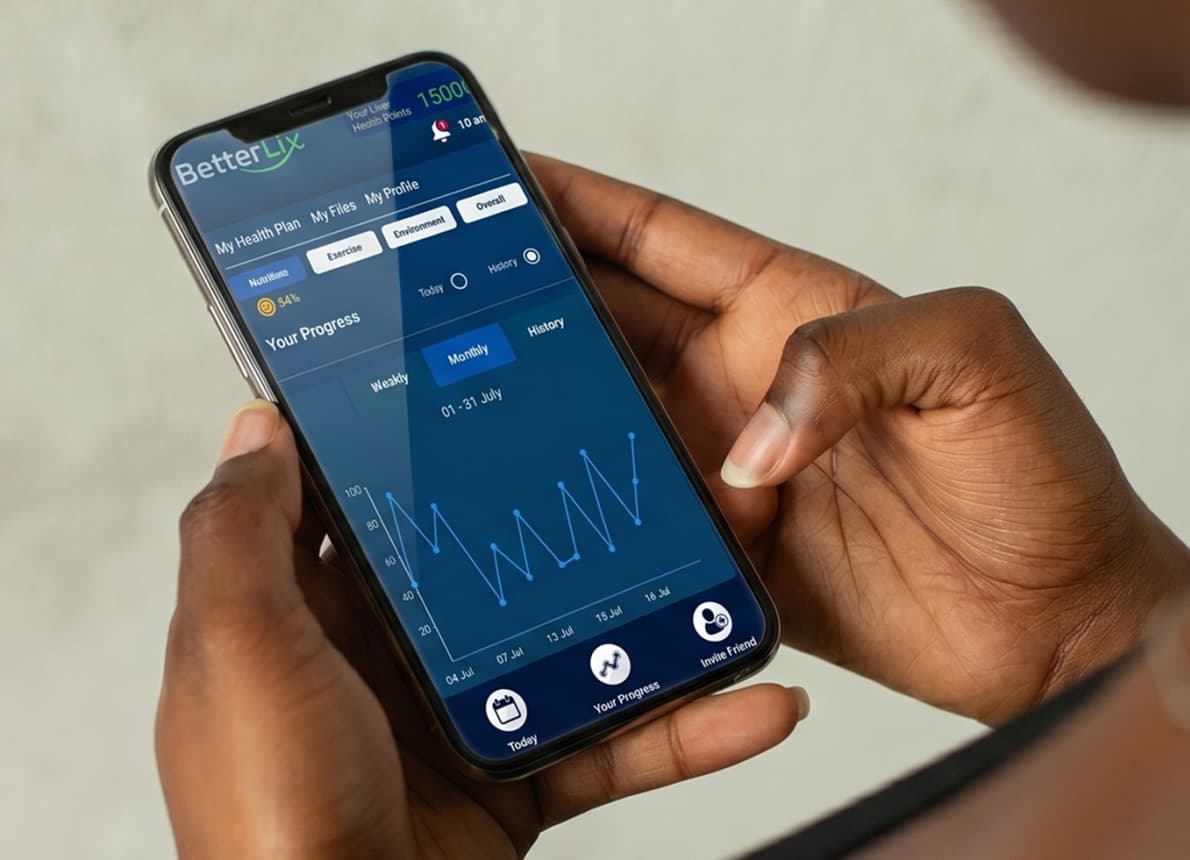
BetterLix app dashboard on a mobile phone

Liver health support

Support Your Liver Health Journey with BetterLix

BetterLix is a digital liver health support app designed to help you understand liver conditions, track symptoms, and build healthier daily habits. It provides simple, personalized guidance to help you stay informed about your liver health and monitor progress over time.

  • Liver symptom tracking and monitoring
  • Daily liver health habit guidance
  • Educational insights about liver conditions
  • Progress tracking for liver wellness

Common Questions

Answers to Common Ascites Testing Questions

How is ascites diagnosed?

Doctors diagnose ascites with your history, a physical exam, and a mix of tests. A physical exam alone can diagnose moderate to severe ascites. A small amount of fluid is harder to detect, so an ultrasound is often used to confirm it and to help rule out other causes, such as cancer or heart failure. Blood tests check how well your liver and kidneys are working, including your albumin level. Your team may also use a urinalysis or a 24-hour urine collection to measure electrolyte levels. If they need to learn more about the fluid itself, they can test a sample through diagnostic paracentesis. Your doctor chooses tests based on your symptoms and your liver disease.

What does a paracentesis test for?

Diagnostic paracentesis tests a small sample of abdominal fluid. The lab counts the cells, measures protein and albumin, and grows the fluid in a culture to look for bacteria. The main goal is to rule out spontaneous bacterial peritonitis (SBP), an infection of the fluid. A neutrophil count of 250 cells per cubic millimeter or higher, or a positive culture, means SBP. The results also help your team work out what is causing the fluid, and they use them together with your history, exam, and imaging.

What is diagnostic paracentesis like?

It is a short procedure, and your team numbs the skin first. They may use ultrasound to find a safe pocket of fluid, clean your skin, and give a local anesthetic. Then a needle or catheter goes into the abdomen, and the team draws out a sample of fluid. The procedure usually takes 20 to 60 minutes, depending on how much fluid is removed. Your team may check your blood pressure, kidney function, and symptoms afterward, especially if a large amount of fluid is removed. Most people go home the same day unless they need extra monitoring. Ask your care team what to expect for your situation.

Does everyone with ascites need fluid testing?

Not always. Diagnostic paracentesis is mandatory for new grade 2 or 3 ascites and for anyone hospitalized with a cirrhosis-related complication. The reason is to rule out SBP. SBP can cause no symptoms. Up to 3.5% of outpatients with SBP have none. A delay of more than 12 hours in diagnosing SBP after hospital admission is linked to a 2.7-fold higher risk of death. In other situations, your doctor decides based on your symptoms and earlier results.

What does a low albumin level mean?

A low albumin level can be a sign of liver damage. Albumin is a protein your liver makes. A healthy level in blood is about 3.5 to 5.0 grams per deciliter, and reference ranges can differ between labs. Low albumin is also one of the two main causes of ascites, along with high pressure in the liver's blood vessels (portal hypertension). It is only one piece of the picture, so your doctor reads it together with your other test results, symptoms, and history.

Medical disclaimer: LiverDirectory provides educational information and a directory of providers. It does not provide medical advice, diagnosis, or treatment. Always consult a licensed physician regarding any medical condition.