AI Summary On LiverDirectory, this Liver Function Test (LFT) page explains how liver health is assessed through blood tests. It covers why LFTs are performed, what key markers measure, and how results are interpreted in a clinical context. It also helps understand what abnormal results may indicate, including possible patterns of liver inflammation or reduced function, and outlines next steps such as follow-up testing, imaging, or specialist evaluation. The page further includes information on liver health symptoms, prevention, and supportive resources such as treatment options and nutrition guidance, and helps you find a liver specialist near you for further care.

Source: www.liverdirectory.com

Liver Function Tests (LFT Panel): Complete Guide to Liver Blood Tests, Results & Next Steps

Medically Reviewed.

The liver carries out essential jobs, from filtering waste out of the blood to producing proteins the body needs. Liver function tests, often called an LFT panel, are not a single test but a group of liver blood tests that check different signals of liver health together, rather than one number that fully measures liver function.

Individual markers such as ALT, AST, ALP, bilirubin, albumin, and PT/INR give different kinds of information: some reflect injury to liver cells, others reflect bile flow, and others reflect how well the liver makes certain proteins. Doctors order liver enzyme tests when investigating symptoms, evaluating possible liver disease, monitoring a known liver condition, or checking for medication-related liver effects. On their own, LFT results do not diagnose a specific liver disease, and some liver conditions can be present without causing noticeable symptoms.

AimyLiver Health AI Assistant
Ask about symptoms, tests, diet, or specialist care.
What does a FibroScan result mean?
I can explain the terms and help you prepare questions.
(opens in a new tab)

Ask Aimy

Turn confusion into a better next question.

Aimy answers from LiverDirectory’s reviewed health information — helping patients make sense of liver-health terms, prepare for specialist visits, and explore what to look up next.

By asking, you agree to the Terms & Conditions and Privacy Policy.

ABOUT LIVER FUNCTION TESTS

What Is a Liver Function Test (LFT)?

A liver function test (LFT) is not one single test but a group of liver blood tests that together look at different aspects of liver health. Some markers, such as ALT and AST, reflect liver cell injury; others, including ALP, GGT, and bilirubin, reflect bile flow, or cholestasis; and markers like albumin, total protein, and PT/INR relate to certain liver functions. The exact panel can vary by lab and location.

Doctors order liver function tests for reasons such as unexplained symptoms, suspected or known liver disease, monitoring an existing condition, or checking for medication-related effects. Results are sometimes reviewed alongside evaluation for conditions like MASLD/MASH, viral hepatitis, or cholestatic and bile duct disorders. An abnormal liver test does not automatically mean a person has liver disease — results are interpreted together with symptoms, medical history, medications, risk factors, and sometimes additional testing.


WHY DOCTORS RECOMMEND LIVER FUNCTION TESTS

Why Are Liver Function Tests Performed?

Routine Health Screening

Liver function tests may be included as part of a preventive checkup or routine blood work, but LFT testing is not recommended as a universal screening tool for every healthy adult. Whether liver function testing makes sense depends on your symptoms, personal and family risk factors, medical history, and the clinical guidance your provider follows.

Symptoms That May Require Testing

Symptoms such as jaundice (yellowing of the skin or eyes), dark urine, unexplained fatigue, abdominal discomfort or pain, or itching may lead a healthcare professional to order a liver blood test. These symptoms are not specific to liver disease and can have other causes, which is why testing helps guide further evaluation rather than confirm a diagnosis on its own.

Monitoring Liver Health

For people with a known or suspected liver condition — such as MASLD/MASH, viral hepatitis, cirrhosis, or autoimmune liver disease — liver function tests may be used to monitor changes over time, track the effects of treatment or medication, and support ongoing follow-up. LFTs are one part of this picture: they do not measure every aspect of liver health, and additional blood tests, imaging, fibrosis assessment, or specialist evaluation are sometimes needed to understand disease progression.

Lifestyle & Metabolic Risk Factors

Certain metabolic and lifestyle factors are associated with a higher chance of abnormal liver blood test results or increased liver disease risk. These factors may prompt a doctor to consider liver function testing as part of a broader health assessment:

  • Obesity or overweight-related metabolic risk
  • Type 2 diabetes
  • High cholesterol or triglycerides
  • Regular alcohol use
  • Family history of liver disease

Get a simple guide to understand why liver function tests are performed, what the results may indicate, and what next steps may be needed based on your liver health.

UNDERSTANDING YOUR BLOOD TEST

Core LFT Components & Normal Ranges

Albumin (Liver Protein Test)

Main protein made by the liver — supports immune function and transports hormones, drugs, and enzymes.

Normal Range 3.5–5.0 g/dL

Below 3.5: may indicate liver dysfunction, malnutrition, or chronic inflammation

Within 3.5–5.0: expected range

Above 5.0: may suggest dehydration or fluid loss

ALT (Alanine Aminotransferase)

A liver-specific enzyme that helps process protein and convert food into energy.

Normal Range 7–55 U/L

Below 7: usually not concerning, sometimes linked to vitamin B6 deficiency

Within 7–55: expected range

Above 55: may indicate liver inflammation, fatty liver, or hepatitis

ALP (Alkaline Phosphatase)

A liver and bone enzyme that helps break down proteins and plays an important role in bile flow and bone growth.

Normal Range 44–147 U/L

Below 44: usually not concerning; may be linked to malnutrition, mineral deficiencies, or hypothyroidism

Within 44–147: expected range

Above 147: may indicate liver, bile duct, or bone disorders

AST (Aspartate Aminotransferase)

Enzyme involved in energy metabolism; found in liver, heart, and muscles.

Normal Range 8–48 U/L

Below 8: generally not concerning

Within 8–48: expected range

Above 48: may indicate liver stress, muscle injury, or inflammation

Bilirubin (Total & Direct)

A substance made when old red blood cells are broken down; gives bile its yellow color.

Normal Range 0.1–1.2 mg/dL

Below 0.1: usually not concerning

Within 0.1–1.2: expected range

Above 1.2: may suggest liver or bile flow changes, increased red blood cell breakdown, or benign conditions such as Gilbert’s syndrome (a common, harmless genetic condition that usually does not require treatment)

GGT (Gamma-Glutamyl Transferase)

A liver enzyme that helps process toxins, drugs, and other molecules.

Normal Range 8–61 U/L

Below 8: usually not concerning, occasionally diet related

Within 8–61: typical range

Above 61: may suggest liver stress, alcohol use, bile duct changes, or medication effects

PT (Prothrombin Time)

Measures how long it takes blood to clot; depends on liver-produced clotting proteins.

Normal Range 9.4–12.5 seconds

Below 9.4: usually not a concern

Within 9.4–12.5: expected range

Above 12.5: may indicate changes in liver function, vitamin K status, or other conditions affecting clotting

Total Protein

The total amount of all proteins in your blood, many produced by the liver.

Normal Range 6.3–7.9 g/dL

Below 6.3: may suggest reduced protein production, nutritional issues, or possible liver stress

Within 6.3–7.9: typical range

Above 7.9: may be linked to dehydration, inflammation, or other conditions that could potentially affect liver function

Key Facts Overview:

Liver function tests (LFTs) are a group of liver blood tests that look at different aspects of liver health, including liver cell injury, bile flow, and certain liver functions. Because these markers work together, results are usually reviewed as a pattern rather than one at a time — a single abnormal liver test does not automatically mean liver disease and can sometimes have causes outside the liver. On their own, LFT results usually cannot diagnose a specific liver condition; your healthcare provider interprets them alongside your symptoms, medical history, medications, risk factors, past results, and additional testing when needed.

UNDERSTANDING YOUR RESULTS

What Happens After an Abnormal LFT Result

Liver Function Tests Do Not Diagnose Diseases

An abnormal liver function test does not by itself diagnose a specific liver disease. LFTs give information about patterns of liver cell injury, cholestasis or bile-flow changes, or aspects of liver function that can help guide further evaluation. An abnormal liver blood test result has many possible causes, and not all of them involve the liver. Medications, alcohol use, metabolic factors, recent illness, and other temporary changes can all affect these results, so an abnormal LFT result is not automatically a sign of liver damage.

Patterns Seen in Liver Blood Tests

Rather than looking at one abnormal liver function test on its own, healthcare professionals typically consider the pattern and degree of abnormality across the panel. ALT and AST mainly reflect liver cell injury, ALP and GGT are more associated with cholestasis or bile-flow changes, and albumin and PT/INR relate to the liver's synthetic function. Taken together, abnormal liver test results may point to patterns such as:

  • Liver cell injury
  • Cholestatic or bile-flow abnormalities
  • Reduced hepatic synthetic function
  • Bile duct or biliary disorders
  • Changes in albumin or other protein levels
  • Medication, alcohol, or toxin-related effects

Only a qualified medical professional can interpret your liver test results. Always consult your healthcare provider for guidance on what your results mean and the next steps for your health. Do not upload your test results to any AI platform, as this could compromise your privacy.

Support your diet alongside your care

Amsety Bars were designed for people with liver conditions by liver health experts. They offer a convenient way to add energy and nutrients to a liver-friendly diet. Ask your provider what fits your needs.

Explore Liver Health Nutrition Bars
Amsety Bar in Dark Chocolate and Peanut Butter flavors

EXPLORE LIVER TREATMENT OPTIONS

Treatment Overview

Liver function tests can flag abnormal results, but treatment after abnormal LFT results is not based on the LFT result alone. Managing liver health depends on identifying the underlying cause through clinical evaluation and, when appropriate, additional blood tests, imaging, or other investigations. Depending on what is found, management may include lifestyle changes, medications for a specific underlying condition, treatment of conditions affecting liver health, ongoing monitoring and follow-up, or specialist care when clinically appropriate. An abnormal LFT does not automatically mean treatment is required — many results are simply followed up with repeat testing before any action is taken.

What Treatment Is Given After Abnormal LFT Results?

There is no single abnormal liver function test treatment. The right approach depends on the underlying cause and may involve lifestyle measures, medication, monitoring, or treatment of a specific liver or related condition. For example, care may focus on managing MASLD/MASH, viral hepatitis, alcohol-associated liver disease, medication-related liver injury, or biliary conditions — but LFTs alone do not diagnose these conditions, and further evaluation is needed to confirm the cause before any liver disease treatment begins.

If your abnormal liver test results come with ongoing symptoms, it's worth discussing them with your healthcare provider. Follow-up evaluation can help identify any underlying cause and determine whether treatment or further monitoring fits your situation.

Liver Health Coach
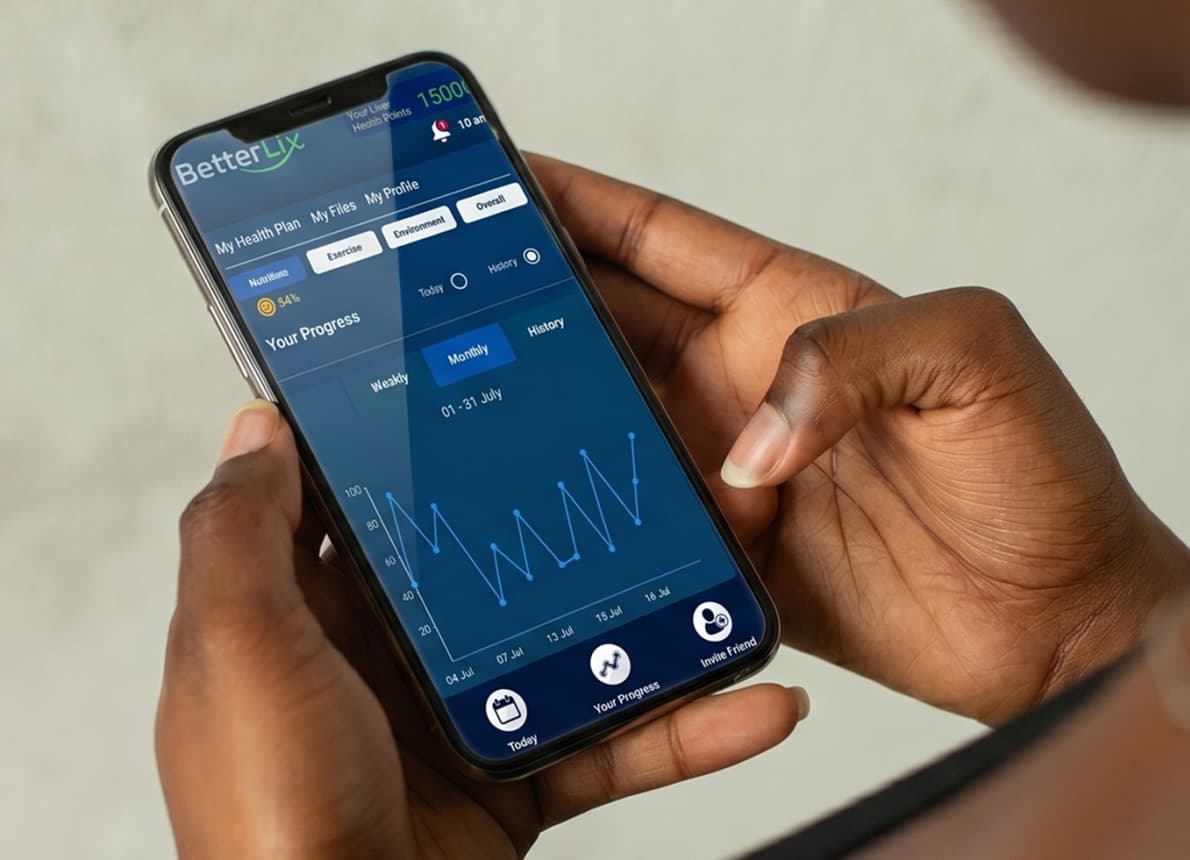
BetterLix app dashboard on a mobile phone

Liver health support

Support Your Liver Health Journey with BetterLix

BetterLix is a digital liver health support app designed to help you understand liver conditions, track symptoms, and build healthier daily habits. It provides simple, personalized guidance to help you stay informed about your liver health and monitor progress over time.

  • Liver symptom tracking and monitoring
  • Daily liver health habit guidance
  • Educational insights about liver conditions
  • Progress tracking for liver wellness

COMMON QUESTIONS

Answers to Common Liver Function Tests Questions

What is a normal liver function test?

A normal liver function test means your results fall within the expected reference ranges for markers such as ALT, AST, ALP, GGT, bilirubin, albumin, and total protein. Reference ranges can vary slightly between laboratories, so your healthcare provider will interpret your results in the context of your overall health.

Do I need fasting for an LFT blood test?

Basic liver function tests usually do not require fasting. However, if your blood draw includes related panels such as glucose or cholesterol testing, your provider may ask you to fast for 8–12 hours beforehand. Always follow the instructions given with your specific test order.

What causes high ALT and AST levels?

Elevated ALT and AST levels can be caused by fatty liver disease, viral hepatitis, alcohol use, certain medications, or muscle injury. Mild elevations are common and do not always indicate serious disease, but persistent or significant elevations should be evaluated by a healthcare provider.

Are abnormal liver blood tests serious?

Not always. Abnormal results can reflect temporary changes from medications, recent illness, or lifestyle factors, and may normalize on repeat testing. However, they can also be an early sign of liver disease, so abnormal results should always be reviewed with a healthcare provider who may recommend follow-up testing or imaging.

What happens after an abnormal liver function test?

Your healthcare provider will usually review the result with your symptoms, medical history, and medications, and may repeat the test. A single result is only a snapshot, so a series of results over time can show whether your liver tests are improving, staying stable, or need further investigation. Depending on the pattern, your provider may order additional blood tests, imaging, or a specialist referral. An abnormal result alone does not diagnose a liver condition.

Medical disclaimer: LiverDirectory provides educational information and a directory of providers. It does not provide medical advice, diagnosis, or treatment. Always consult a licensed physician regarding any medical condition.