AI Summary Drug-induced liver injury (DILI) is liver damage caused by a medicine, herb, or supplement. No single test confirms it, so doctors review the timing of each product you take, read the blood test pattern, and rule out other causes such as viral hepatitis. Imaging or a biopsy may help. Care usually starts with stopping the suspected product on your doctor's advice, followed by supportive care and repeat liver tests. Jaundice, dark urine, or severe tiredness need prompt medical attention.

Source: www.liverdirectory.com

Drug-Induced Liver Injury (DILI) Evaluation

Medically Reviewed.

Drug-induced liver injury (DILI) is liver damage caused by a medicine. A DILI evaluation is the step-by-step work-up doctors use to decide whether a drug, herb, or supplement explains abnormal liver tests or symptoms.

This page introduces the group and points you to detailed guides on the acetaminophen level and DILI causality assessment.

Below, you will find key facts, how liver injury patterns are read, the steps of an evaluation, key terms, warning signs, and answers to common questions.

AimyLiver Health AI Assistant
Ask about symptoms, tests, diet, or specialist care.
What does a FibroScan result mean?
I can explain the terms and help you prepare questions.
(opens in a new tab)

Ask Aimy

Turn confusion into a better next question.

Aimy answers from LiverDirectory’s reviewed health information — helping patients make sense of liver-health terms, prepare for specialist visits, and explore what to look up next.

By asking, you agree to the Terms & Conditions and Privacy Policy.

Drug-Induced Liver Injury Basics

What Is a DILI Evaluation?

Drug-induced liver injury (DILI), also called drug-induced liver disease or hepatotoxicity, is liver damage caused by a medicine. It includes prescription and over-the-counter drugs. Damage from herbal and dietary supplements has its own name, HILI, but doctors evaluate it in much the same way.

There is no single test that proves DILI. Doctors rely on clinical judgment, a careful history of when you took each product, and ruling out other liver diseases. For that reason, DILI is called a diagnosis of exclusion.

DILI can look very different from person to person. The most common form, idiosyncratic DILI, affects only rare, susceptible people and depends less on the dose. It can range from raised liver enzymes with no symptoms to jaundice, liver failure, or long-lasting hepatitis. Some causes, such as an acetaminophen overdose, need urgent treatment.

This group has two detailed guides: the acetaminophen level and DILI causality assessment.

Key Facts About DILI Evaluation

  • No single test: There is no definitive diagnostic test for DILI or HILI.
  • Exclusion first: DILI is a diagnosis of exclusion, so doctors check systematically for other causes of liver disease.
  • Supplements count: Herbal and dietary supplements are important causes, so your care team will ask about them.
  • How common: Population studies have found drug-induced liver injury in 14 to 19 of every 100,000 people per year.
  • Severity: DILI accounts for about 13% of acute liver failure cases in the United States.
  • First step: Care generally begins with stopping the suspected medicine, as directed by your care team, followed by supportive care and repeat liver tests.

Do not stop a prescribed medicine on your own. Call the clinician who prescribed it.

Blood Test Patterns

Liver Injury Patterns on Blood Tests

Doctors group liver injury by which blood tests rise most. The pattern helps narrow the list of possible causes.

PatternWhat rises mostWhat it tells doctors
HepatocellularAST and ALT rise far more than alkaline phosphatase (ALP)Points to injury of liver cells. The work-up includes viral hepatitis, autoimmune hepatitis, and alcohol-related causes.
CholestaticALP rises far more than AST and ALTPoints to a problem with bile flow. Imaging of the bile ducts helps rule out a blockage.
MixedALP and AST/ALT both riseFalls between the two patterns. Doctors weigh timing, drug history, and other test results.

Patterns often overlap. They guide the work-up and may suggest certain drugs, but they do not prove a cause.

DILI Test Guides

The Tests in This Group

Acetaminophen Level

This test measures how much acetaminophen (paracetamol) is in your blood. It matters because acetaminophen is a leading cause of sudden liver injury. Very high AST and ALT readings (above 15 times the upper limit of normal) suggest acute causes such as acetaminophen toxicity. In some people the drug is already undetectable when they reach care, so doctors also use the lab pattern and your history.

DILI Causality Assessment

Causality assessment is the structured review of how likely a specific drug is to be the cause. It looks at timing, the injury pattern, other possible causes, and how liver tests change after the drug stops. Because no specific biomarkers exist, this careful review is essential.

Step-by-Step DILI Work-Up

How Doctors Evaluate Suspected DILI

No two evaluations look the same, but doctors follow a common approach.

Steps in a DILI Evaluation

  • Review every product you take. List prescription drugs, over-the-counter medicines, herbs, and supplements, with start and stop dates.
  • Match the timing. Your care team compares when liver tests changed with when you started each product. Some reactions appear within weeks, and others, such as with minocycline, can appear after more than a year.
  • Classify the pattern. Blood tests show whether injury is hepatocellular, cholestatic, or mixed.
  • Rule out other causes. For suspected hepatocellular or mixed injury, doctors exclude acute hepatitis A, B, and C. If those are negative, testing for cytomegalovirus, Epstein-Barr virus, or herpes simplex virus may follow. Hepatitis E testing may be considered, especially after travel to endemic areas.
  • Check for other liver diseases. This can include autoimmune liver tests, alcohol history, and liver imaging such as ultrasound to look for blocked bile ducts.
  • Consider a liver biopsy in some cases. Biopsy findings can be supportive evidence when the picture is unclear.
  • Stop the suspected agent and monitor. Management generally begins with stopping the suspected product on your doctor's advice, then supportive care and repeat liver tests, with close attention to signs of liver failure.

Support your diet alongside your care

Amsety Bars were designed for people with liver conditions by liver health experts. They offer a convenient way to add energy and nutrients to a liver-friendly diet. Ask your provider what fits your needs.

Explore Liver Health Nutrition Bars
Amsety Bar in Dark Chocolate and Peanut Butter flavors

DILI Glossary

Terms You May Hear

DILI
Liver damage caused by a prescription or over-the-counter medicine. Also called drug-induced liver disease or hepatotoxicity.
HILI
Liver damage caused by an herbal or dietary supplement.
Idiosyncratic DILI
A form of DILI that affects only rare, susceptible people and depends less on the dose than a true toxin does.
Diagnosis of exclusion
A diagnosis made after other possible causes of liver disease have been checked and ruled out.
Hy's Law
A pattern of three findings linked to a higher risk of death or need for a liver transplant, about 10%: AST or ALT above 3 times the upper limit of normal, total bilirubin above 2 times the upper limit of normal without early cholestasis, and no other explanation.
Chronic DILI
Liver enzymes or bilirubin that have not returned to your earlier baseline 6 to 9 months after the injury began, or ongoing signs of liver disease. It occurs in about 17% of patients.

DILI Warning Signs

Symptoms and When to Get Help

DILI symptoms are often vague, which makes early recognition hard. Some people have no symptoms, and abnormal liver tests are the first sign. Liver damage can progress to liver failure within days, so medical help is needed for a diagnosis.

Contact Your Doctor Promptly If You Notice

  • Yellowing of the skin or whites of the eyes (jaundice)
  • Dark urine or pale stools
  • Pain in the upper right abdomen
  • Unusual tiredness or weakness
  • Nausea, vomiting, or loss of appetite
  • Itching or a new skin rash

Find a Liver Specialist for Your Evaluation

Liver Health Coach
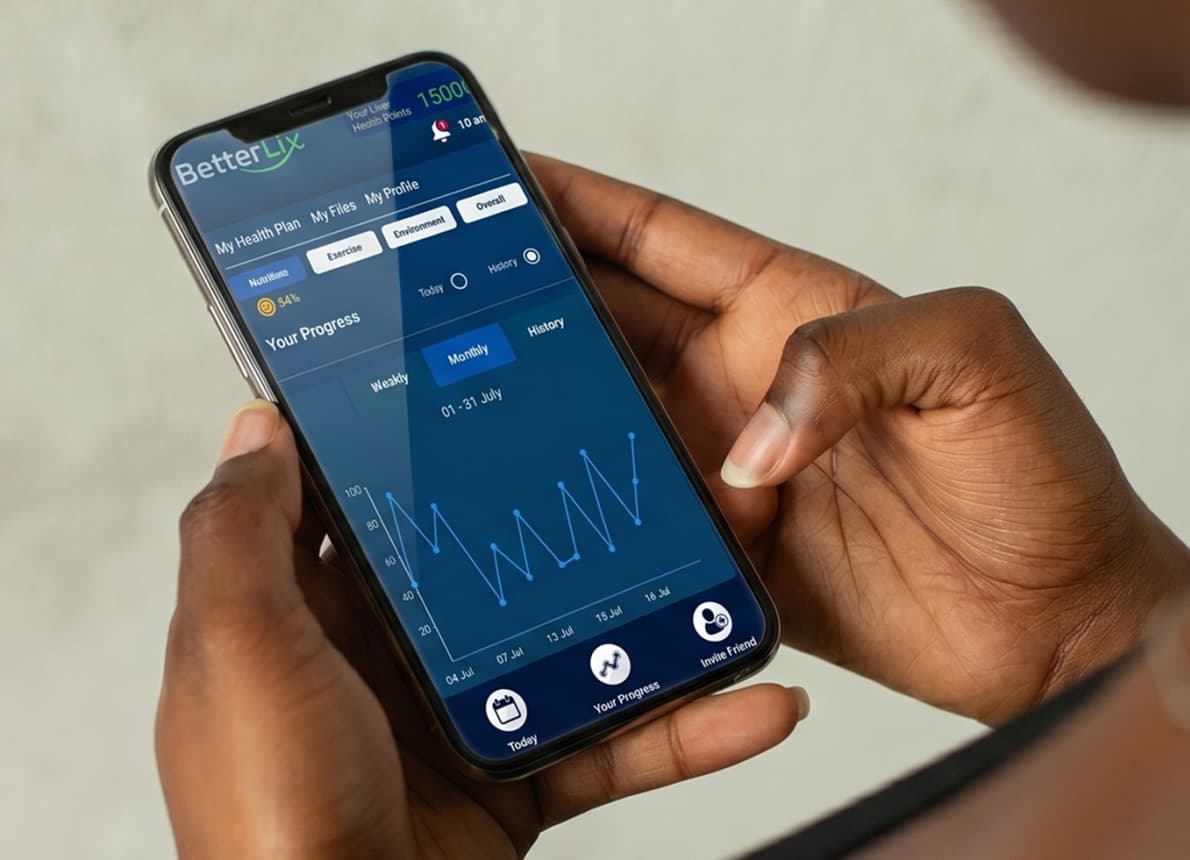
BetterLix app dashboard on a mobile phone

Liver health support

Support Your Liver Health Journey with BetterLix

BetterLix is a digital liver health support app designed to help you understand liver conditions, track symptoms, and build healthier daily habits. It provides simple, personalized guidance to help you stay informed about your liver health and monitor progress over time.

  • Liver symptom tracking and monitoring
  • Daily liver health habit guidance
  • Educational insights about liver conditions
  • Progress tracking for liver wellness

Common Question

Answers to Common Drug-Induced Liver Injury (DILI) Evaluation Question

How is drug-induced liver injury diagnosed?

No single test confirms it. Doctors diagnose DILI by matching the timing of a drug to the liver injury, classifying the blood test pattern, and ruling out other causes such as viral hepatitis, autoimmune liver disease, and alcohol-related liver disease. Imaging, and sometimes a biopsy, can help.

Can over-the-counter medicines and supplements cause liver injury?

Yes. Both prescription and over-the-counter drugs can injure the liver, as can herbal and dietary supplements. Researchers have found that 75% of acute liver failure cases linked to medicines involved over-the-counter products such as acetaminophen or herbal supplements. Tell your care team about everything you take.

Does drug-induced liver injury always cause symptoms?

No. Some people have no symptoms, and the problem shows up on routine blood tests. When symptoms occur, they can include jaundice, dark urine, pale stools, upper right abdominal pain, fatigue, nausea, and itching.

Does the liver recover after I stop the medicine?

Often, but it depends on the person and the drug. Management generally starts with stopping the suspected agent, followed by supportive care and repeat liver tests. Some people develop chronic DILI, defined as abnormal tests that persist 6 to 9 months after onset.

Should I stop my medicine if my liver tests are abnormal?

Ask your prescriber before stopping. Stopping the suspected agent is usually the first step when DILI is suspected, but the right timing depends on why you take the medicine. Call your doctor promptly if you have jaundice, dark urine, or severe fatigue.

Medical disclaimer: LiverDirectory provides educational information and a directory of providers. It does not provide medical advice, diagnosis, or treatment. Always consult a licensed physician regarding any medical condition.