AI Summary EASL guidelines call the AUDIT or AUDIT-C questionnaires the gold standard for identifying harmful drinking, and urinary EtG can detect alcohol use for up to 80 hours.

Source: EASL Guidelines on alcohol-related liver disease, via Aimy Science Knowledge Research (July 27, 2026)

Alcohol, Drug & Toxicology Testing

Medically Reviewed.

Alcohol, drug, and toxicology tests look for substances that can injure the liver or explain abnormal liver results. They answer three questions: how much alcohol a person has been drinking, whether a medicine or supplement is causing liver injury, and whether a chemical at home or work is involved.

This page explains why doctors order these tests, what each group checks, how results are read, and what to expect. Your care team reads results together with your history, symptoms, and other liver tests.

AimyLiver Health AI Assistant
Ask about symptoms, tests, diet, or specialist care.
What does a FibroScan result mean?
I can explain the terms and help you prepare questions.
(opens in a new tab)

Ask Aimy

Turn confusion into a better next question.

Aimy answers from LiverDirectory’s reviewed health information — helping patients make sense of liver-health terms, prepare for specialist visits, and explore what to look up next.

By asking, you agree to the Terms & Conditions and Privacy Policy.

What to Know About Alcohol, Drug, and Toxicology Testing

  • Doctors use the AUDIT or AUDIT-C questionnaires as the gold standard to screen for harmful drinking, according to EASL guidelines.
  • Urinary ethyl glucuronide (EtG) can detect alcohol use for up to 80 hours, and EtG in scalp hair can track use for up to six months, per EASL guidelines.
  • No single test confirms drug-induced liver injury (DILI). AASLD guidance says diagnosis relies on exposure timing and on ruling out other causes.
  • DILI accounts for about 13% of acute liver failure cases in the United States, according to LiverDirectory's drug-induced liver disease guide.
  • Specific tests for chemical toxicity are largely unavailable, so EASL guidelines stress a careful work and home exposure history.
  • Drug-related liver damage can progress to liver failure in days, so seek medical help promptly if you have symptoms after a medicine, supplement, or chemical exposure.

TEST GROUPS

Types of Alcohol, Drug, and Toxicology Tests

Doctors group these tests by the question they answer. Each group has its own page with the individual tests.

Alcohol Biomarker Testing

Alcohol biomarkers are lab markers that show whether someone has been drinking. Direct markers, such as ethyl glucuronide (EtG), come from the way the body breaks down alcohol. Indirect markers, such as GGT and MCV, reflect other body changes and are less reliable, especially when cirrhosis is present. Doctors pair these tests with screening questionnaires and use them to monitor abstinence.

Main tests:
Urine EtG, hair EtG, PEth, CDT
Samples:
Urine, hair, or blood
  • PEth
  • CDT
  • Ethyl Glucuronide (EtG)

Drug-Induced Liver Injury (DILI) Evaluation

DILI is liver damage caused by a medicine. The same problem caused by an herbal or dietary supplement is called herbal and dietary supplement–induced liver injury (HILI). Evaluation checks liver enzymes and bilirubin, measures acetaminophen when an overdose is possible, and looks for other causes, such as viral or autoimmune liver disease.

Main tests:
Liver blood tests, acetaminophen level, causality assessment
Samples:
Blood
  • Acetaminophen Level
  • DILI Causality Assessment

Toxicology & Environmental Testing

Toxicology testing looks for poisons and chemicals that can injure the liver. Exposure can come from street drugs, household products, or workplaces. Because specific tests for chemical toxicity are largely unavailable, doctors rely on your exposure history, targeted toxicology tests, and tests that rule out other liver diseases.

Main tests:
Toxicology panel, heavy metal screening, exposure history
Samples:
Varies by test
  • Heavy Metal Screening
  • Toxicology Panels
  • Occupational Exposure Testing

WHEN TESTING IS NEEDED

When Your Doctor May Order These Tests

Testing usually starts with a symptom, an abnormal liver result, or a new exposure. Here are common reasons.

  • Your liver test results are abnormal without a clear cause. AASLD guidance describes DILI as a diagnosis of exclusion. Your doctor rules out other causes first, such as viral hepatitis, autoimmune liver disease, and alcohol-related liver disease, then reviews your medicines and supplements.
  • You have symptoms after a new medicine, supplement, or chemical. Toxic liver injury can cause jaundice (yellow skin or eyes), dark urine, itching, fatigue, nausea, and pain in the upper right abdomen. Symptoms can appear within hours, days, or months of exposure.
  • Alcohol-related liver disease is known or suspected. Your doctor asks about your drinking and orders blood tests. Alcohol biomarkers can then help track whether you are staying abstinent, which is the most important step in treatment.
  • An acetaminophen overdose is possible. Acetaminophen is a common over-the-counter pain reliever. Overdose can cause acute liver failure, so doctors act quickly. Blood tests look for very high liver enzymes and measure acetaminophen levels.
  • You have been exposed to chemicals at work or home. EASL guidelines stress a thorough occupational history when a chemical cause is suspected, because specific tests for chemical toxicity are largely unavailable.

What These Tests Can Help Uncover

Alcohol, drug, and toxicology tests can help show whether alcohol, a medicine, a supplement, or a chemical is behind liver injury. They are often one step in finding the cause.

Explore All Liver Conditions

TEST COMPARISON

Which Test Checks What

Each test answers a different question. Your doctor chooses based on your symptoms, history, and exposures.

TestWhat it checksHow it is done
AUDIT or AUDIT-C questionnaireYour drinking pattern and risk of an alcohol use disorderShort set of questions
Urine EtGAlcohol use within roughly the past 80 hoursUrine sample
Hair EtGAlcohol use over up to six months, with each 1 cm of hair reflecting about one monthScalp hair sample
PEth and CDTAlcohol-related markers; see the individual test pagesBlood draw
Liver enzymes and bilirubinThe pattern of liver injury: aminotransferase-predominant, ALP-predominant, or mixedBlood draw
Acetaminophen levelAcetaminophen in the blood when an overdose is possibleBlood draw
Viral hepatitis testsHepatitis A, B, and C, to rule out other causes of injuryBlood draw
Toxicology and heavy metal testsSpecific substances your doctor suspects from your historySample depends on the test

No single test proves that a medicine or chemical caused liver injury. Doctors combine test results with the timing of your exposure and with tests that rule out other liver diseases.

RESULTS

Understanding Your Results

Reference ranges differ between labs, so ask your care team how your numbers compare with the lab's range.

Positive urine or hair EtG
EtG is a highly specific marker of alcohol use. EASL guidelines note that urinary EtG is not affected by cirrhosis, which makes it more dependable than indirect markers such as GGT or MCV.
Hepatocellular pattern
Aminotransferases (ALT and AST) rise the most. AASLD guidance uses this pattern, along with the cholestatic and mixed patterns, to narrow the list of possible causes.
Cholestatic pattern
Alkaline phosphatase (ALP) rises the most, which points to a problem with bile flow. Patterns overlap, so doctors never rely on them alone.
Very high aminotransferases with low bilirubin
AASLD guidance says this combination is typical of acetaminophen overdose in acute liver failure. Doctors read it alongside the acetaminophen level and your history.
Hy's Law pattern
ACG guidelines describe a warning pattern: ALT or AST above 3 times the upper limit of normal, bilirubin above 2 times the upper limit, and no other explanation. It signals about a 10% risk of death or need for a transplant, so it needs urgent care.
Negative toxicology or exposure tests
A negative result does not always rule out a toxic cause. EASL guidelines note that chemical toxicity is often a diagnosis of exclusion that depends on your exposure history.

The Bottom Line

One result rarely tells the whole story. Your doctor combines biomarkers, liver enzymes, your exposure history, and tests that rule out other liver diseases.

Find a Liver Specialist Near You

WHAT TO EXPECT

What to Expect During Testing

Most of these tests use a blood, urine, or hair sample. None requires a needle into the liver.

A Typical Visit

  • Your doctor asks about your drinking, prescription and over-the-counter medicines, herbal products, supplements, and any work or home chemical exposure.
  • You may answer a short questionnaire, such as AUDIT-C, about your drinking habits.
  • A nurse or technician collects a blood draw, a urine sample, or a small hair sample, depending on the test.
  • Standard blood tests check liver enzymes, bilirubin, and proteins. Your doctor may add tests to rule out viral hepatitis or autoimmune liver disease.
  • If an overdose is possible, you may need urgent blood tests and hospital care.
  • Your doctor reviews the results with you and explains next steps, which may include stopping a suspect medicine, repeat testing, or imaging.
  • If results suggest alcohol-related liver disease, your care team may suggest support for stopping alcohol.

Ask your care team about any instructions before your visit. Be honest about your alcohol use, medicines, and supplements so your results are read correctly.

Download Free Liver Test Patient Guide

PROTECT YOUR LIVER

Protecting Your Liver from Alcohol, Medicines, and Chemicals

Testing finds a problem. Prevention and treatment start with avoiding further exposure.

Alcohol

Full abstinence is vital for treating alcohol-related liver disease. Without it, no medical treatment can prevent further damage, which can lead to liver failure and the need for a transplant. Many people need help to stop drinking, and your care team can recommend medicines and counseling.

Medicines and Supplements

The first step in DILI is usually stopping the suspected medicine or supplement, followed by supportive care and liver test monitoring, according to AASLD guidance. Never stop a prescribed medicine on your own. Talk with your doctor first. Take acetaminophen only as directed, and never with alcohol.

Chemicals and Other Toxins

Liver toxicity can also come from street drugs, environmental pollutants, and household or workplace chemicals. People with chronic liver disease may be more sensitive to toxins. Use a mask and cover your skin around chemicals, and keep them away from children.

AFTER YOUR TESTS

What Happens After Testing

Your doctor reviews your results and decides on next steps. These may include avoiding the cause, treatment, repeat testing, or more tests.

Liver Treatment Overview

Treatment depends on what is affecting your liver. For alcohol-related liver disease, stopping alcohol is vital. For suspected DILI, the first step is usually stopping the suspected medicine or supplement, as your doctor directs.

Liver Health Coach
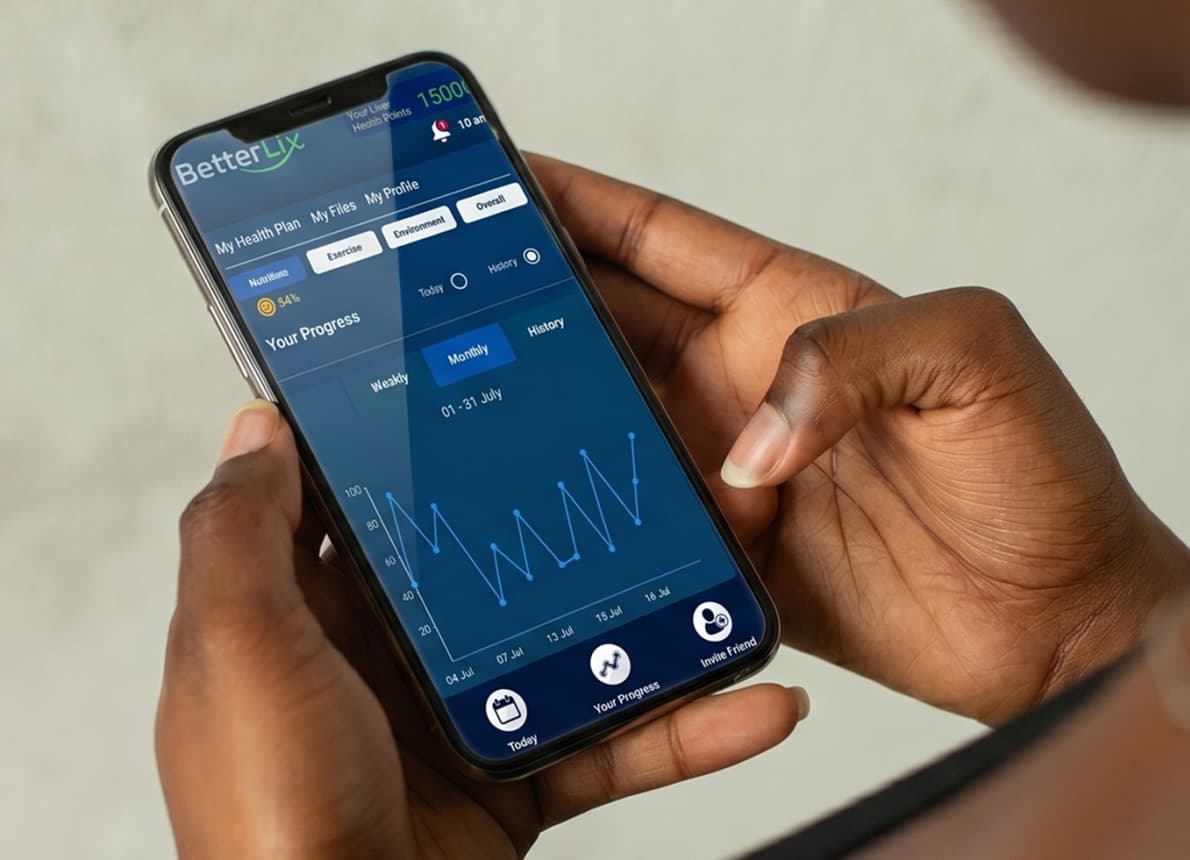
BetterLix app dashboard on a mobile phone

Liver health support

Support Your Liver Health Journey with BetterLix

BetterLix is a digital liver health support app designed to help you understand liver conditions, track symptoms, and build healthier daily habits. It provides simple, personalized guidance to help you stay informed about your liver health and monitor progress over time.

  • Liver symptom tracking and monitoring
  • Daily liver health habit guidance
  • Educational insights about liver conditions
  • Progress tracking for liver wellness

Common Questions

Answers to Common Alcohol, Drug, and Toxicology Testing Questions

What is alcohol, drug, and toxicology testing for the liver?

They are tests that check whether alcohol, medicines, supplements, or chemicals are harming your liver. They include alcohol biomarkers, drug-induced liver injury (DILI) evaluation, and toxicology and environmental testing.

How long can alcohol be detected in urine or hair?

It depends on the test. Urinary EtG can detect alcohol use for up to 80 hours. EtG in scalp hair can show use over up to six months, with each 1 cm segment reflecting about one month, according to EASL guidelines.

Is there a single test for drug-induced liver injury?

No. AASLD guidance says there is no definitive test for DILI. Doctors diagnose it from the timing of your exposure, your enzyme pattern, and by ruling out other causes such as viral hepatitis and autoimmune liver disease.

Can herbal supplements damage my liver?

Yes, in some cases. Herbal and dietary supplements can cause liver injury, and AASLD guidance treats it like DILI. Tell your doctor about every supplement you take, including green tea extract and weight-loss or bodybuilding products.

Should I stop a medicine if I think it is hurting my liver?

Not on your own. The first step in suspected DILI is usually stopping the suspect agent, but your doctor should make that decision. Call your care team promptly if you have jaundice, dark urine, or severe fatigue.

Medical disclaimer: LiverDirectory provides educational information and a directory of providers. It does not provide medical advice, diagnosis, or treatment. Always consult a licensed physician regarding any medical condition.