AI Summary On LiverDirectory, this page gives an overview of liver tests used to assess liver health, detect liver disease, and monitor progression, including how doctors choose tests, what may happen after abnormal results, insurance coverage for liver tests, and when to see a liver specialist.

Source: www.liverdirectory.com

Liver Tests & Diagnostic Procedures

Medically Reviewed.

Liver tests are blood, imaging, and other diagnostic tools that check how well your liver is working and look for signs of inflammation, injury, or disease. This page covers the main types of liver testing, including blood-based liver function tests (LFTs) and enzyme or biomarker panels, imaging methods such as ultrasound, CT, and MRI, and other specialized diagnostic procedures used to evaluate liver health.

You can use this page to understand when liver testing may be recommended and what results generally help clinicians evaluate, without interpreting your own results. From here, you can explore individual liver tests in more detail and, if further evaluation is needed, find a liver specialist for follow-up care.

AimyLiver Health AI Assistant
Ask about symptoms, tests, diet, or specialist care.
What does a FibroScan result mean?
I can explain the terms and help you prepare questions.
(opens in a new tab)

Ask Aimy

Turn confusion into a better next question.

Aimy answers from LiverDirectory’s reviewed health information — helping patients make sense of liver-health terms, prepare for specialist visits, and explore what to look up next.

By asking, you agree to the Terms & Conditions and Privacy Policy.

PROTECT YOUR LIVER HEALTH EARLY

Understanding Liver Testing

Many liver conditions, including fatty liver disease, hepatitis, and cirrhosis, can develop with few symptoms early on. Liver tests help detect signs of liver injury or impaired function that may not be found through a physical exam. Testing may be recommended based on symptoms, risk factors, or an existing liver condition. An abnormal result does not confirm a diagnosis but may prompt further evaluation and testing.

Key Facts

  • About 4.5 million U.S. adults reported having diagnosed liver disease in 2023, while many more cases are believed to go undiagnosed.
  • Some liver conditions can develop with few or no noticeable symptoms in their early stages, which can make them hard to detect without testing.
  • Liver testing can help evaluate common conditions such as fatty liver disease (MASLD), viral hepatitis, and cirrhosis.
  • Abnormal liver test results can point to inflammation, injury, or impaired liver function, but they do not by themselves establish a diagnosis — further evaluation is usually needed.
  • Liver tests can support the detection, evaluation, and ongoing monitoring of liver conditions, helping guide follow-up care with a provider.

This page can help you explore liver testing options and, if further evaluation is needed, find a liver specialist near you.

FIND THE RIGHT LIVER TEST FOR YOU

Types of Liver Tests

Liver testing covers several categories of tests and procedures used to check how well the liver is working, look for signs of injury or disease, and monitor known conditions over time. Some tests screen for a specific virus or inherited condition, others assess liver structure through imaging, and some combine lab values into a score that estimates disease severity. Not every test applies to every patient — a provider selects the right combination based on symptoms, history, and risk factors.

Blood Tests

Blood tests, often called liver function tests (LFTs), measure liver enzymes and proteins such as ALT, AST, ALP, GGT, bilirubin, albumin, and prothrombin time (PT/INR). Despite the name, most of these values reflect liver cell injury or protein production rather than a single measure of "function." They can suggest inflammation, impaired bile flow, or reduced protein synthesis, and are often the first tests ordered when liver disease is suspected or when monitoring a known condition. A complete blood count and coagulation studies may be added for a fuller picture.

Common types include:

  • Liver Function Tests (LFT panel)
  • Complete blood count (CBC Panel)
  • Metabolic & MAFLD/MASH Tests
  • Thyroid Testing

Viral, Autoimmune & Genetic Liver Disease Testing

These specialized blood tests look for specific causes of liver disease rather than general injury. Viral hepatitis testing detects current or past infection with hepatitis A, B, or C. Autoimmune antibody tests, such as ANA or anti-smooth muscle antibody, support evaluation for autoimmune hepatitis or related conditions, usually alongside a liver biopsy for confirmation. Genetic and metabolic tests help identify inherited conditions such as hereditary hemochromatosis, Wilson disease, or alpha-1 antitrypsin deficiency, and are generally used when there is a specific clinical suspicion rather than as routine screening.

Common types include:

  • Viral Hepatitis Testing
  • Autoimmune Antibody Testing
  • Genetic and Metabolic Testing

Imaging & Non-Invasive Testing

Imaging and non-invasive tests examine the liver's structure without surgery. Abdominal ultrasound is usually the first imaging test ordered, while CT and MRI provide more detailed views when needed. Elastography techniques, such as FibroScan (transient elastography) or MR elastography, estimate liver stiffness and fat content to help assess fibrosis (scarring) and steatosis (fat buildup), often reducing the need for a biopsy. These tests complement blood work but generally cannot confirm the exact cause of liver disease on their own.

Common types include:

  • Ultrasound-Based Imaging
  • Cross-Sectional Imaging
  • Elastography & Fibrosis Testing
  • Liver Fat Quantification
  • Nuclear & Specialized Imaging

Invasive Testing

Invasive testing involves a procedure rather than a blood draw or scan, and it's generally reserved for situations where non-invasive tests are inconclusive or a precise diagnosis is needed. A liver biopsy remains the most definitive way to stage fibrosis and assess inflammation, though non-invasive alternatives are used more often today. Other invasive procedures, such as measuring hepatic venous pressure or performing an upper endoscopy to check for varices, are typically used in people with more advanced liver disease, such as cirrhosis.

Common types include:

  • Liver Biopsy
  • Portal Pressure Assessment
  • Endoscopic Assessment

Urine & Stool Testing

Urine and stool tests are used less often than blood tests but can add useful information in specific situations. A urinalysis may show bilirubin or other changes linked to liver or bile duct problems. Specialized urine tests, such as 24-hour urinary copper measurement, support evaluation of certain inherited conditions like Wilson disease. Stool tests can help assess bile flow or rule out other causes of digestive symptoms that may overlap with liver disease.

Common types include:

  • Urinalysis
  • Specialized Urine Testing
  • Stool Testing

Medical Scores

Medical scores are calculation tools, not standalone tests. They combine existing lab values and clinical information into a single number that helps estimate fibrosis risk, disease severity, or prognosis. For example, FIB-4 uses age, AST, ALT, and platelet count to estimate the likelihood of significant fibrosis, while MELD and Child-Pugh scores help gauge the severity of advanced liver disease. These scores support clinical decision-making but don't replace a full evaluation by a provider.

Common types include:

  • Liver Severity & Cirrhosis Scores
  • Fibrosis Scores
  • MAFLD / MASH Scores
  • Hepatic Encephalopathy Scores
  • Alcohol Associated Liver Disease Scores
  • Liver Cancer Risk Scores
  • ICU / Acute Liver Failure Scores

Liver Cancer (HCC) Surveillance & Tumor Testing

Liver cancer surveillance is generally recommended for people at higher risk of hepatocellular carcinoma (HCC), such as those with cirrhosis or chronic hepatitis B or C, rather than the general population. Surveillance typically combines routine ultrasound with a blood-based tumor marker, alpha-fetoprotein (AFP), usually every six months. An elevated AFP or a suspicious finding on ultrasound doesn't confirm cancer by itself — it prompts further imaging, such as a contrast-enhanced CT or MRI, and sometimes a biopsy, to reach a diagnosis.

Common types include:

  • Tumor Marker Blood Tests
  • HCC Imaging Surveillance

Liver Complication Testing

These tests evaluate specific complications that can develop with advanced liver disease, such as cirrhosis, rather than diagnosing the underlying liver condition itself. Ascites, a buildup of fluid in the abdomen, is usually assessed with a physical exam and ultrasound; a diagnostic paracentesis — removing a small fluid sample with a needle — may follow to check the fluid for infection or other causes. Hepatic encephalopathy, a decline in brain function caused by the liver's reduced ability to clear toxins, is diagnosed mainly through clinical evaluation of mental status, sometimes supported by blood ammonia testing or psychometric testing. These evaluations are generally used in people with an existing liver condition, not as routine screening.

Common types include:

  • Ascites Testing
  • Hepatic Encephalopathy Evaluation

Alcohol, Drug & Toxicology Testing

These tests help evaluate whether alcohol use, medications, or other substances may be contributing to liver injury. Alcohol biomarker tests can indicate recent or heavy drinking, while drug-induced liver injury evaluation looks at the pattern and timing of enzyme changes in relation to specific medications or supplements. Toxicology testing may be used when exposure to environmental or industrial substances is a concern. These tests are typically used when a specific exposure is suspected, not as routine liver screening.

Common types include:

  • Alcohol Biomarker Testing
  • Drug-Induced Liver Injury (DILI) Evaluation
  • Toxicology and Environmental Testing

COMPREHENSIVE LIVER TESTING OPTIONS

How Doctors Choose the Right Liver Tests

Doctors choose liver tests based on a person's full clinical picture, not on a single factor. Healthcare professionals may consider liver blood tests or other liver testing for several reasons, including symptoms, personal or family medical history, known risk factors, exposure to certain medications or substances, previously abnormal results, or the need to monitor an existing liver condition. Liver disease can sometimes develop with little or no obvious symptoms, so testing is not limited to people who feel unwell. Having one or more of these factors does not automatically mean testing is needed, and results don't always identify the exact cause of a symptom or finding.

When Liver Testing May Be Considered

  • Symptoms or findings that may be associated with liver or biliary disease, such as jaundice, unusual fatigue, abdominal pain, or changes in urine or stool color
  • Heavy or harmful alcohol use
  • Obesity, type 2 diabetes, or other metabolic risk factors associated with fatty liver disease (MASLD)
  • Current or past exposure to hepatitis A, B, or C
  • A personal or family history of liver disease, including inherited conditions such as hemochromatosis or Wilson disease
  • Use of medications, supplements, or other substances that may affect the liver
  • Previously abnormal liver blood-test results that need follow-up
  • An existing liver condition that requires ongoing monitoring
  • Other findings a healthcare professional identifies during a clinical evaluation

GUIDANCE AFTER ABNORMAL LIVER RESULTS

What Happens After an Abnormal Liver Test?

An abnormal liver test does not automatically mean a person has serious liver disease. Clinicians interpret results in context — considering symptoms, medical history, medications, alcohol or substance use, previous results, and other risk factors — before deciding whether, and how, to follow up. The appropriate next step depends on which test is abnormal, how far outside the normal range it is, whether the change persists over time, and the person's broader clinical picture. Not every abnormal result calls for every option below.

Common Next Steps

  • Repeating liver blood tests, when appropriate, to see whether a result was temporary or persists over time
  • Reviewing previous results and trends rather than looking at a single reading in isolation
  • Reviewing medications, supplements, alcohol use, and other possible causes of the abnormal result
  • Ordering additional blood tests for specific infections, autoimmune conditions, metabolic disorders, or other causes, when clinically appropriate
  • Using imaging such as ultrasound, CT, or MRI when a closer look at liver structure is indicated
  • Assessing liver fibrosis or scarring with appropriate non-invasive methods, such as elastography
  • Referring to a gastroenterologist, hepatologist, or other relevant liver specialist when specialist assessment is appropriate
  • Considering a liver biopsy or other invasive testing only in selected situations where additional information is needed

Follow-up helps clinicians understand why a result is abnormal and whether further evaluation or ongoing monitoring is appropriate — it does not mean every abnormal liver test reflects serious disease.

Connect with a liver specialist for further evaluation and guidance

UNDERSTANDING TEST COVERAGE AND COSTS

Insurance Coverage for Liver Tests

Understanding your insurance coverage is an important part of planning liver testing. Coverage can vary depending on the type of test, the reason it was ordered, your healthcare provider, and your insurance plan. Many medically necessary tests — such as blood tests, imaging, non-invasive tests like elastography, and specialized diagnostic procedures — may be covered, but requirements like prior authorization, referrals, and out-of-pocket costs can differ between plans.

Before you have a test, review your insurance benefits, confirm that your provider and the laboratory or imaging center are in-network, and ask what costs you may be responsible for. Knowing what your plan covers can help you avoid unexpected expenses.

NEXT STEPS

Getting Expert Care for Liver Testing

Your primary care provider often orders the first liver tests. If results are abnormal, or if you have a known liver condition, a gastroenterologist, hepatologist, or other liver specialist can help decide which further tests are appropriate and how to follow your results over time.

Before your visit, it can help to gather your medication and supplement list, your alcohol use history, and any earlier test results. A specialist can review these together and explain what the results mean for you.

Liver Health Coach
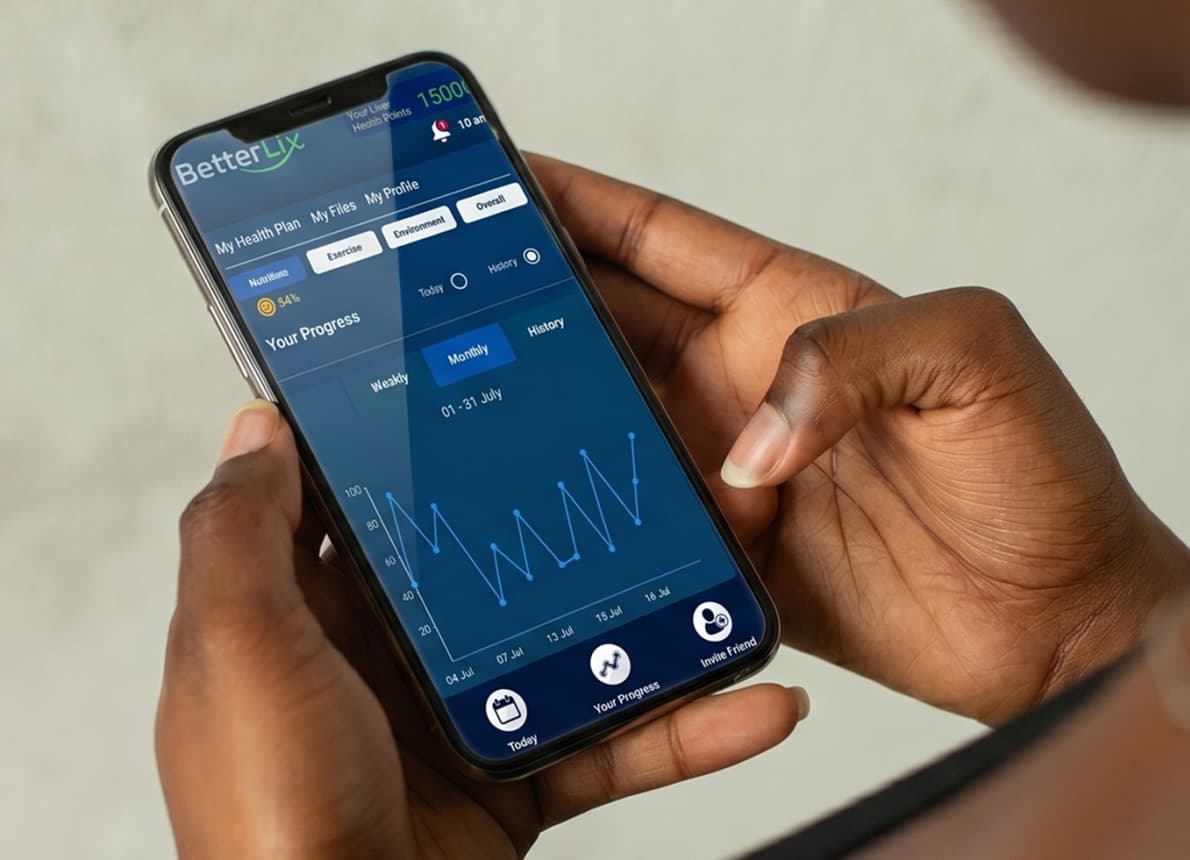
BetterLix app dashboard on a mobile phone

LIVER HEALTH SUPPORT

Support Your Liver Health Journey with BetterLix

BetterLix is a digital liver health support app that helps you understand liver tests, track symptoms, and build healthier daily habits. With personalized guidance and educational resources, it empowers you to take informed steps toward better liver health and long-term wellness.

  • Turn test results into action
  • Personalized lifestyle recommendations
  • Stay on track everyday
  • Learn and take control of your liver health

COMMON QUESTIONS

Answers To Common Liver Tests Questions

Do I need to fast before a liver test?

Standard liver function tests usually do not require fasting. However, if your provider is also checking glucose or a lipid panel at the same time, you may be asked to fast for 8–12 hours. Always follow the specific instructions given with your lab order.

What is a liver function test (LFT), and what does it measure?

A liver function test is a blood panel that measures enzymes and proteins such as ALT, AST, ALP, bilirubin, and albumin. Together these values help assess how well the liver is working and whether there are signs of inflammation, injury, or impaired function.

Are liver function tests covered by insurance?

In most cases, yes. Medicare, Medicaid, and most private plans cover LFTs when they are medically necessary — for example, to evaluate symptoms or monitor a known condition. Coverage may be limited for routine screening without a documented medical reason.

What do abnormal liver test results mean?

Abnormal results do not always indicate serious disease. They signal that further evaluation is needed. Your provider will consider your symptoms, medications, and risk factors, and may repeat the test or order imaging before determining the cause.

How often will I need liver tests?

It depends on your situation, and your provider decides the schedule. Liver health can change gradually, so your provider may repeat tests over time. A single result is only a snapshot, while a series of results shows whether your liver is improving, staying stable, or needs a closer look. People with a diagnosed liver condition or who take medications that can affect the liver may need regular monitoring.

Medical disclaimer: LiverDirectory provides educational information and a directory of providers. It does not provide medical advice, diagnosis, or treatment. Always consult a licensed physician regarding any medical condition.