AI Summary Portal pressure assessment checks whether pressure in the portal vein, which carries blood to the liver, is too high. Cirrhosis is the most common cause. High pressure can lead to varices, ascites, and confusion. HVPG, a catheter test, is the reference standard. Liver stiffness with a platelet count is a noninvasive option, Doppler ultrasound checks blood flow, and endoscopy finds varices. Treatment may include banding or beta-blockers.

Source: www.liverdirectory.com

Portal Pressure Assessment

Medically Reviewed.

Blood from your stomach, spleen, and intestines reaches the liver through the portal vein. Portal pressure assessment is how doctors find out whether the pressure in that system is too high, and how high.

This page explains why portal pressure matters, how direct and indirect tests differ, and what the results can mean. It points you to our guide on HVPG, the direct measurement and the reference standard.

Below, you will find a side-by-side comparison of the tests, what your results can mean, how to prepare, and answers to common questions.

AimyLiver Health AI Assistant
Ask about symptoms, tests, diet, or specialist care.
What does a FibroScan result mean?
I can explain the terms and help you prepare questions.
(opens in a new tab)

Ask Aimy

Turn confusion into a better next question.

Aimy answers from LiverDirectory’s reviewed health information — helping patients make sense of liver-health terms, prepare for specialist visits, and explore what to look up next.

By asking, you agree to the Terms & Conditions and Privacy Policy.

Portal hypertension basics

What Is Portal Pressure Assessment?

Veins from the stomach, spleen, intestines, and pancreas merge into the portal vein. The portal vein carries that blood into the liver. If scarring or a blockage slows the flow, pressure builds in the portal system. Doctors call this portal hypertension.

Portal pressure assessment tells your care team whether the pressure is high and how high. That matters because the body responds by growing weak bypass veins, called varices, in the esophagus and stomach. Varices can rupture and bleed. High pressure also drives ascites, a buildup of fluid in the abdomen, and can contribute to hepatic encephalopathy, a change in thinking caused by liver disease.

In adults, cirrhosis is the most common cause of portal hypertension. Other causes include a clot in the portal vein and a parasitic infection called schistosomiasis. Sometimes no cause is found.

Assessment can be direct or indirect. The direct test, hepatic venous pressure gradient (HVPG) measurement, uses a catheter placed in a liver vein. Indirect tests use blood counts, elastography, and endoscopy to estimate pressure or to look for its effects. Your doctor may combine several of them.


Key Facts About Portal Pressure Testing

  • Reference standard: HVPG measurement is the reference standard for assessing portal hypertension.
  • What HVPG measures: It is the difference between the wedged and free hepatic venous pressures.
  • 10 mm Hg: An HVPG of 10 mm Hg or higher defines clinically significant portal hypertension (CSPH). Above this level, the risk of varices and decompensation rises. Decompensation means complications such as ascites, variceal bleeding, hepatic encephalopathy, or jaundice.
  • Limits: HVPG is invasive, technically demanding, and not widely available, which is why noninvasive options matter.
  • Noninvasive screen: Liver stiffness under 15 kPa with a platelet count of 150,000 per microliter or higher generally rules out CSPH. A stiffness of 25 kPa or higher makes CSPH very likely.

Portal pressure test comparison

HVPG vs. Noninvasive Tests vs. Endoscopy

Your care team picks the test based on your liver disease, your symptoms, and the question they need answered.

TestWhat it showsHow it is doneMain limit
HVPG measurementPortal pressure, estimated as the gap between wedged and free hepatic venous pressuresA thin catheter is placed in a liver vein (invasive)Technically demanding and not widely available
Liver stiffness plus platelet countThe likelihood of clinically significant portal hypertensionAn elastography scan and a blood test (noninvasive)Mid-range results fall in a gray zone and need more testing
Upper endoscopyVarices in the esophagus and stomach, seen directlyA flexible scope passes through the mouth, usually with sedationShows the effects of pressure, not the pressure itself
Doppler ultrasoundBlood flow in the portal and hepatic veins, including clotsAn ultrasound probe on the abdomen (noninvasive)Does not measure portal pressure

Ways to assess portal pressure

How Doctors Check Portal Pressure and Its Effects

HVPG Measurement

HVPG is the only test that measures portal pressure through the veins themselves. In cirrhosis, resistance to blood flow sits inside the liver's small channels, so HVPG tracks portal pressure well. Doctors use it when noninvasive results are unclear, when the exact pressure will change the plan, or to look at risk in a person with cirrhosis.

Noninvasive and endoscopic options

Other Ways to Check Portal Pressure

Liver Stiffness and Platelet Count

Liver stiffness from elastography, combined with a platelet count, can help estimate whether portal hypertension is clinically significant. The combination works better than either measure alone. These results can also help your doctor decide whether you need an endoscopy or HVPG. Spleen stiffness is a promising addition, but it is still being studied.

Upper Endoscopy for Varices

An upper endoscopy lets a doctor look at the esophagus and stomach for varices. It shows how portal hypertension is affecting you, and bleeding varices can be treated during the same procedure. One option is banding, which places small rubber bands around the enlarged veins.

Doppler Ultrasound

A Doppler ultrasound shows how blood moves through the liver's veins. It is a main tool for finding a clot in the portal vein, one cause of portal hypertension. It does not give a pressure reading.

Understanding your test results

What Your Portal Pressure Results Can Mean

Your doctor reads any pressure result together with your symptoms, blood tests, imaging, and endoscopy. These points show how the main findings are used.

HVPG of 10 mm Hg or Higher
Clinically significant portal hypertension (CSPH) is defined as an HVPG of 10 mm Hg or higher. Above this threshold, the risk of varices and decompensation rises.
What a CSPH Finding Can Change
In cirrhosis, early detection of CSPH can help prevent a first decompensation. Nonselective beta-blockers, especially carvedilol, are recommended for people with CSPH or high-risk compensated disease. Your doctor decides whether this fits your case.
A Normal HVPG Does Not Always Mean Normal Portal Pressure
In noncirrhotic portal fibrosis and idiopathic portal hypertension, resistance sits in small portal vein branches before the liver's channels. HVPG can then be normal or only slightly raised even when varices and significant portal hypertension are present.
Gray-Zone Noninvasive Results
For noninvasive screening, liver stiffness under 15 kPa with a platelet count of 150,000 per microliter or higher generally rules out CSPH. A stiffness of 25 kPa or higher points to a high likelihood. Values in between call for clinical judgment or more testing, such as imaging or HVPG.

Ask What the Number Means for You

A pressure number is one piece of your liver picture. Ask your care team what your result means for your bleeding risk, your medicines, and your follow-up.

Support your diet alongside your care

Amsety Bars were designed for people with liver conditions by liver health experts. They offer a convenient way to add energy and nutrients to a liver-friendly diet. Ask your provider what fits your needs.

Explore Liver Health Nutrition Bars
Amsety Bar in Dark Chocolate and Peanut Butter flavors

Test preparation checklist

Getting Ready for Portal Pressure Testing

Each test has its own instructions, so follow the ones your team gives you. These points can help you prepare.

  • Share your health history. Tell your team about your liver condition, bleeding problems, and any blood clots.
  • List your medicines and supplements. Ask which ones to continue or pause before the test. Do not stop a prescribed medicine on your own.
  • Ask about sedation. If you receive sedation, plan for someone to drive you home.
  • Ask about food and drink. Endoscopy usually requires several hours without food or drink beforehand. Your team will tell you what applies to your test.
  • Know when to get help. Vomiting blood, or black, tar-like or bloody stools, needs immediate medical care.
  • Ask about follow-up. Your doctor will explain the findings and whether you need more tests or a change in treatment.

Treatment after testing

After Your Results

Treatment Options

If testing shows portal hypertension, your care team may suggest endoscopic banding, medicines called nonselective beta-blockers, or other treatments. Learn more about liver treatments and the procedures used for portal hypertension.

Find a Liver Specialist Near You

Liver Health Coach
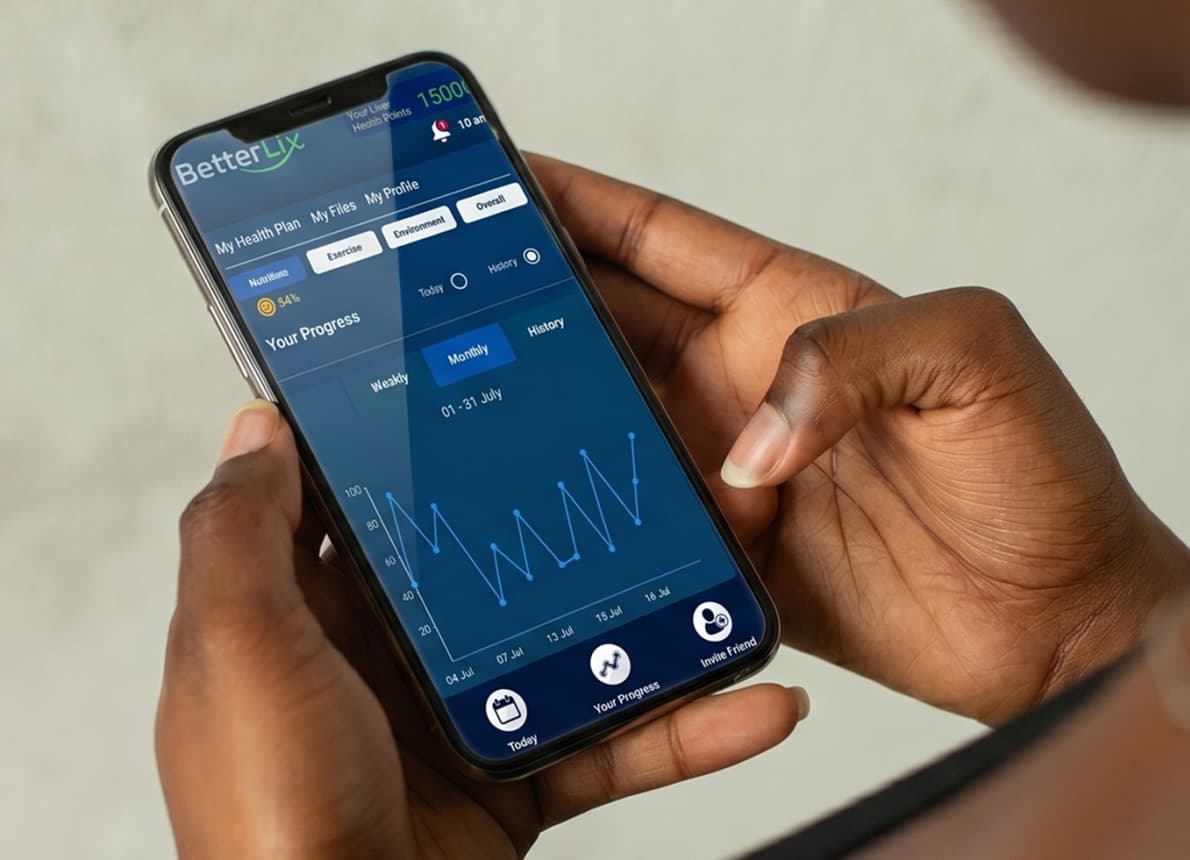
BetterLix app dashboard on a mobile phone

Liver health support

Support Your Liver Health Journey with BetterLix

BetterLix is a digital liver health support app designed to help you understand liver conditions, track symptoms, and build healthier daily habits. It provides simple, personalized guidance to help you stay informed about your liver health and monitor progress over time.

  • Liver symptom tracking and monitoring
  • Daily liver health habit guidance
  • Educational insights about liver conditions
  • Progress tracking for liver wellness

Common Questions

Answers to Common Portal Pressure Assessment Questions

What is the best test for portal hypertension?

HVPG is the reference standard. It is the difference between the wedged and free hepatic venous pressures, measured through a catheter placed in a liver vein. Guidelines use it to define clinically significant portal hypertension, at 10 mm Hg or higher. Above that level, the risk of varices and decompensation rises. HVPG is invasive, technically demanding, and not widely available. For that reason, doctors often start with noninvasive tests, such as liver stiffness with a platelet count, and with endoscopy to look for varices. The best test for you depends on your liver disease and the question your care team needs answered.

What is the difference between portal hypertension and portal pressure assessment?

Portal hypertension is the condition. Portal pressure assessment is the group of tests used to find it. Portal hypertension is high pressure in the portal vein system, which carries blood from the stomach, spleen, intestines, and pancreas to the liver. It often happens when scarring or a blockage slows blood flow through the liver. Portal pressure assessment checks for that pressure, measures it, or looks at its effects, such as varices. Some tests measure pressure directly. Others estimate it or show what the pressure is doing.

Can HVPG be normal if I have varices?

Yes. In noncirrhotic portal fibrosis and idiopathic portal hypertension, HVPG is often normal or only slightly raised, even when varices and significant portal hypertension are present. In these conditions, the resistance to blood flow sits in small portal vein branches before the liver's channels. Because of this, your doctor does not rely on one number. They read HVPG together with your symptoms, imaging, and endoscopy.

Which symptoms need urgent care?

Get emergency care right away if you vomit blood, or if you pass black, tar-like stools or blood in your stool. These can signal bleeding from varices, which can be dangerous. Swelling in the abdomen can be a sign of ascites, a buildup of fluid. New confusion or forgetfulness can be a sign of hepatic encephalopathy. Both need prompt medical attention. Do not wait for your next appointment if you notice any of these signs.

Can portal hypertension be treated?

Often the pressure itself cannot be treated, but its complications can be managed and reduced, especially bleeding from varices. Your care team chooses what fits your liver function and symptoms. Options include: - Endoscopic banding, which places small rubber bands around enlarged veins. It is the first treatment for bleeding varices. - Sclerotherapy, which injects a solution into bleeding varices. Doctors sometimes use it when banding cannot be used. - Medicines called nonselective beta-blockers, which can lower pressure in the varices and reduce bleeding risk. They may be given alone or with endoscopic therapy. - Lifestyle changes, such as avoiding alcohol and drugs, limiting salt, and checking with your doctor before taking over-the-counter medicines or herbal supplements. - A procedure called TIPS, which connects a liver vein to the portal vein with a stent. Doctors may use it if other treatments fail.

Medical disclaimer: LiverDirectory provides educational information and a directory of providers. It does not provide medical advice, diagnosis, or treatment. Always consult a licensed physician regarding any medical condition.