AI Summary Endoscopic assessment uses a thin camera to check the esophagus and stomach for varices, swollen veins caused by high pressure in the portal vein, most often from cirrhosis. Screening is recommended for people with cirrhosis at risk of varices. Doctors can lower bleeding risk with medicines, banding, or sclerotherapy, and may consider TIPS if bleeding continues. Most people receive sedation. Vomiting blood or black, tar-like stools needs emergency care.

Source: www.liverdirectory.com

Endoscopic Assessment

Medically Reviewed.

Endoscopic assessment means looking inside the upper digestive tract with an endoscope, a thin, flexible tube with a light and a camera. In liver care, doctors use it mainly to look for varices, which are swollen, fragile veins that can bleed.

This page introduces the group and points you to the detailed guide on upper endoscopy (EGD) for esophageal varices.

Below, you will find key facts, a comparison of endoscopic approaches, what to expect on exam day, and answers to common questions.

AimyLiver Health AI Assistant
Ask about symptoms, tests, diet, or specialist care.
What does a FibroScan result mean?
I can explain the terms and help you prepare questions.
(opens in a new tab)

Ask Aimy

Turn confusion into a better next question.

Aimy answers from LiverDirectory’s reviewed health information — helping patients make sense of liver-health terms, prepare for specialist visits, and explore what to look up next.

By asking, you agree to the Terms & Conditions and Privacy Policy.

Overview

What Is Endoscopic Assessment?

An endoscope is a long, thin tube with a light and a camera on one end. A doctor passes it through the mouth to look at the lining of the esophagus and stomach. In liver care, the main goal is to find varices: dilated veins in the esophagus or stomach.

Varices form because of portal hypertension, which means high pressure in the portal vein. This vein carries blood from the digestive organs to the liver. Cirrhosis, or scarring of the liver, is the most common cause in adults. When scarring blocks blood flow, the body builds new veins to go around the liver. These veins are weaker than normal veins and can rupture and bleed.

Endoscopy looks at the esophagus and stomach, not at the liver itself. Doctors use it alongside blood tests, imaging, and sometimes a liver biopsy to understand how far liver disease has progressed and what risks you face.

This group currently has one detailed guide: upper endoscopy (EGD) for esophageal varices.

Key Facts About Endoscopic Assessment

  • Screening: Screening endoscopy is recommended for people with cirrhosis who are at risk of varices.
  • Timing: How often you repeat the exam depends on the size of your varices and how severe your liver disease is. Endoscopy every 1 to 2 years is described as part of lifelong cirrhosis surveillance.
  • Prevention: People with medium or large varices, or red signs on the varices, should receive preventive treatment with a non-selective beta-blocker medicine or endoscopic variceal ligation (banding).
  • Convenience: Banding usually takes 15 to 30 minutes, and most people go home the same day after a short observation period.

Compare

Screening vs. Treatment: How Endoscopic Approaches Compare

Endoscopy can look, treat, or both. This table shows how the main approaches differ.

ApproachWhat it doesWhen doctors use it
Screening endoscopy (EGD)Looks for varices and checks their size and any red signsIn people with cirrhosis who are at risk of varices
Variceal banding (EVL)Places small rubber bands around varices so they shrink and scarTo prevent a first bleed, treat bleeding, or prevent rebleeding
SclerotherapyInjects a solution into or around varices so they clot and scarWhen banding cannot be used, or during active bleeding

Medicines such as non-selective beta-blockers also lower bleeding risk, but they are not endoscopic. Your care team may use them alone or with endoscopy.

Support Your Diet Alongside Your Care

Amsety Bars were designed for people with liver conditions by liver health experts. They offer a convenient way to add energy and nutrients to a liver-friendly diet. Ask your provider what fits your needs.

Explore Liver Health Nutrition Bars
Amsety Bar in Dark Chocolate and Peanut Butter flavors

The Exams

Endoscopic Exams for Esophageal Varices

Your doctor chooses the approach based on what the exam shows and how your liver is working.

Upper Endoscopy (EGD) for Esophageal Varices

This is the main exam in the group. A doctor passes a thin camera through the mouth to check the esophagus and stomach for varices. If the varices carry a high risk of bleeding, the doctor can often treat them with banding during the same session.

What the Doctor Looks For

Esophageal varices sit in the lower esophagus. Gastric varices sit in the stomach. Both form when portal pressure stays high, and both can bleed. The doctor looks at the size of the varices and for red signs on their surface. These findings help decide whether you need preventive treatment.

What Happens If Varices Need Treatment

Banding is the standard endoscopic treatment for esophageal varices. Sclerotherapy is an option when banding is not possible. If bleeding does not stop with medicine and endoscopic treatment, doctors may consider a procedure called TIPS, which creates a new channel through the liver to lower portal pressure.

Preparing

What to Expect Before, During, and After Your Exam

Before Your Exam

Your team will usually ask you to stop eating and drinking for several hours before the exam. Follow the exact instructions you receive. Tell them about every medicine and supplement you take, and whether you are pregnant. Endoscopy is considered safe in pregnancy, but doctors try to wait until the second trimester when they can.

During and Right After

Most people receive sedation. Banding usually takes 15 to 30 minutes, and most people go home the same day after a short observation period. Sclerotherapy can take 20 to 45 minutes, and you may need to stay in the hospital if you had serious bleeding.

Risks and Follow-Up

Common effects of banding include a sore throat and chest discomfort. Ulcers can form where the bands were placed, and bleeding can occur. Narrowing or a tear in the esophagus is rare. Keep taking the portal hypertension medicines your doctor prescribed, avoid alcohol, and attend your follow-up exams, since you may need more banding sessions.

When to Get Urgent Help

Vomiting blood or passing black, tar-like stools can signal bleeding from varices. Get emergency care right away.

Find a Liver Specialist Near You

Liver Health Coach
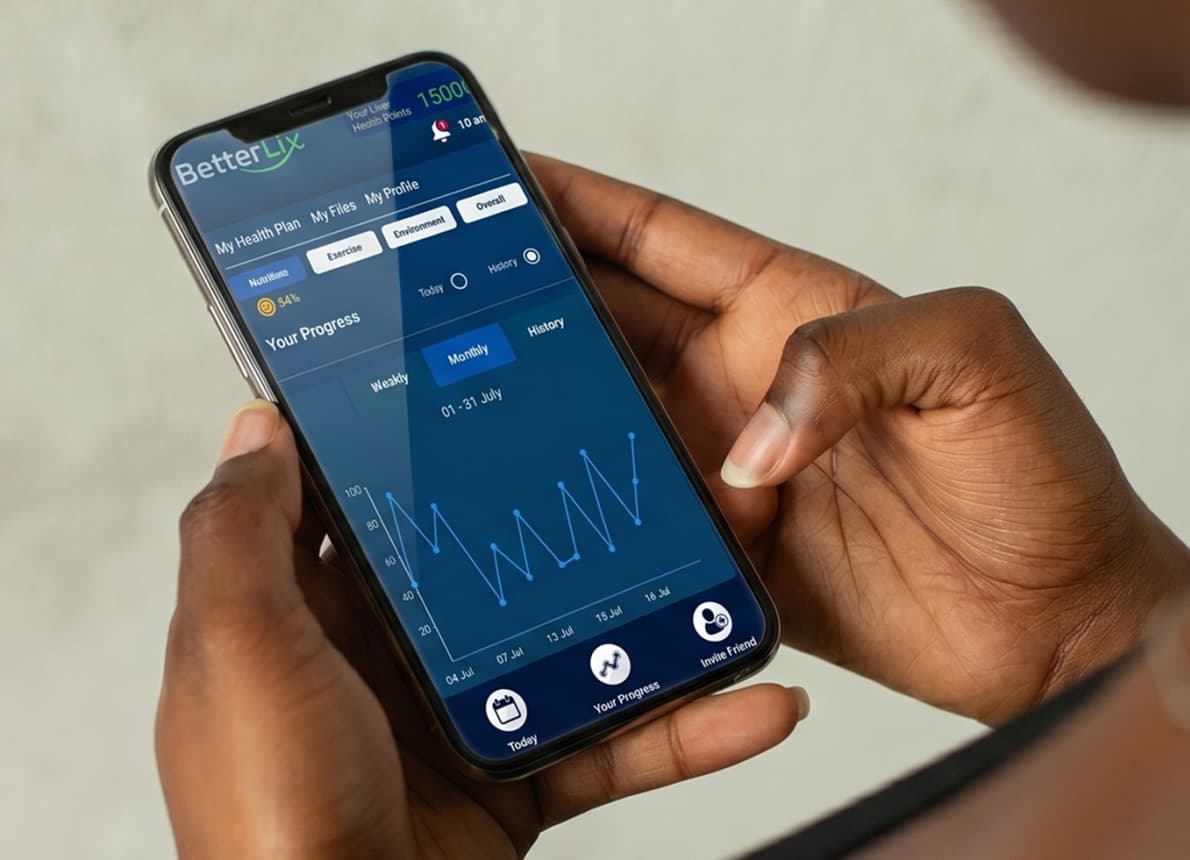
BetterLix app dashboard on a mobile phone

Liver health support

Support Your Liver Health Journey with BetterLix

BetterLix is a digital liver health support app designed to help you understand liver conditions, track symptoms, and build healthier daily habits. It provides simple, personalized guidance to help you stay informed about your liver health and monitor progress over time.

  • Liver symptom tracking and monitoring
  • Daily liver health habit guidance
  • Educational insights about liver conditions
  • Progress tracking for liver wellness

Common Questions

Answers to Common Endoscopic Assessment Questions

What does endoscopic assessment check in liver disease?

It mainly checks for varices, which are swollen, fragile veins in the esophagus or stomach. Varices form when portal hypertension, or high pressure in the portal vein, pushes blood to find new routes around a scarred liver. Esophageal varices sit in the lower esophagus. Gastric varices sit in the stomach. The doctor looks at how large the varices are and whether they have red signs on their surface. These findings help decide if you need preventive treatment. The exam does not look at the liver itself, so doctors use it with blood tests and imaging.

Who needs a screening endoscopy?

People with cirrhosis who are at risk of varices. Screening endoscopy is recommended for this group. Endoscopy every 1 to 2 years is described as part of lifelong surveillance in cirrhosis. How often you repeat the exam depends on the size of your varices and how severe your liver disease is. Ask your care team for your own schedule.

Is an endoscopy painful?

Most people receive sedation, so you should not feel pain during the exam. The doctor passes a thin, flexible tube through your mouth, and your team will explain the sedation plan beforehand. You will usually need to stop eating and drinking for several hours before the exam. After banding, a sore throat and chest discomfort are common. Ulcers can form where the bands were placed, and bleeding can occur. Narrowing or a tear in the esophagus is rare. If you vomit blood or pass black, tar-like stools, get emergency care right away.

What is variceal banding?

Banding, also called endoscopic variceal ligation (EVL), places small rubber bands around enlarged veins in the esophagus. The bands block blood flow, so the varices shrink and scar over time. This lowers the risk of a first bleed and of bleeding again. Your doctor may recommend it if the exam finds varices at high risk of bleeding, if you have already bled, or to prevent more bleeding. The procedure usually takes 15 to 30 minutes, and most people go home the same day after a short observation period. Your team often schedules follow-up exams to check the results and decide whether you need more banding sessions.

Are there options besides banding?

Yes. Non-selective beta-blocker medicines lower pressure in the portal vein and reduce the risk of bleeding. Some people take them instead of banding, and others take them along with it. After a bleed, a beta-blocker plus repeated banding sessions until the varices are gone is described as the gold standard for preventing more bleeding. Sclerotherapy, which injects a solution into varices so they clot and scar, is an option when banding cannot be used. If bleeding does not stop with medicine and endoscopic treatment, doctors may consider TIPS, a procedure that creates a new channel through the liver to lower portal pressure. Your doctor chooses the option based on your varices and your overall health.

Medical disclaimer: LiverDirectory provides educational information and a directory of providers. It does not provide medical advice, diagnosis, or treatment. Always consult a licensed physician regarding any medical condition.