AI Summary A complete blood count (CBC) measures red blood cells, white blood cells, platelets, and hemoglobin. It is not a liver-specific test, but a low platelet count can be an early clue to cirrhosis and portal hypertension. Doctors order it for routine checkups, symptoms, and monitoring liver disease or treatment. Results are read with liver function tests and your history, and an abnormal result may lead to repeat testing, imaging, or specialist referral, not a diagnosis.

Source: www.liverdirectory.com

Complete Blood Count (CBC Panel)

Medically Reviewed.

A complete blood count, or CBC, is often the first blood test a doctor orders to check overall health. It counts the red blood cells, white blood cells, and platelets in your blood, and measures hemoglobin, the protein that carries oxygen. A CBC is not a liver-specific test, but abnormal results in some of its measures, especially platelets, can be a clue to liver conditions such as cirrhosis and portal hypertension.

On its own, a CBC does not diagnose a liver disease. Your doctor reviews it together with liver function tests, your symptoms, and your medical history to decide what, if anything, needs further evaluation.

AimyLiver Health AI Assistant
Ask about symptoms, tests, diet, or specialist care.
What does a FibroScan result mean?
I can explain the terms and help you prepare questions.
(opens in a new tab)

Ask Aimy

Turn confusion into a better next question.

Aimy answers from LiverDirectory’s reviewed health information — helping patients make sense of liver-health terms, prepare for specialist visits, and explore what to look up next.

By asking, you agree to the Terms & Conditions and Privacy Policy.

ABOUT THE CBC PANEL

What Is a Complete Blood Count (CBC)?

A complete blood count (CBC) is a common blood test that looks at the cells that make up your blood: red blood cells, white blood cells, and platelets. It also measures hemoglobin, the protein inside red blood cells that carries oxygen, and hematocrit, the percentage of your blood made up of red blood cells.

A CBC is often the first test a doctor orders to check general health, and it can flag abnormalities anywhere in the body, including the liver. It is not a liver function test on its own — tests such as ALT, AST, albumin, and bilirubin look more directly at liver injury and function. But some CBC results, especially platelet count, are commonly reviewed alongside liver tests when doctors are evaluating for liver disease or its complications, such as portal hypertension.

An abnormal CBC result does not by itself diagnose a liver condition. Results are interpreted together with your symptoms, medical history, medications, and other tests.


Key Facts About the CBC Panel

  • A complete blood count (CBC) measures red blood cells, white blood cells, platelets, and hemoglobin — it is often the first blood test a doctor orders.
  • A CBC is not a liver-specific test, but a low platelet count is a common finding in people with cirrhosis and portal hypertension.
  • Low hemoglobin (anemia) is the single most common CBC abnormality and can have many causes besides liver disease.
  • Doctors sometimes combine platelet count with the AST liver enzyme, known as the APRI score, as one tool to help estimate the likelihood of advanced liver scarring.

WHY DOCTORS ORDER A CBC

Why CBC Tests Are Performed

Routine Health Screening

A CBC may be included in routine blood work or a preventive checkup. It is not a targeted liver test, but if results are abnormal, your doctor may order liver function tests or other follow-up to check whether the liver is involved.

Investigating Symptoms

Symptoms such as unusual bruising or bleeding, fatigue, pale skin, or frequent infections may lead a doctor to order a CBC. These symptoms have many possible causes and are not specific to liver disease.

Monitoring Liver Disease

For people with a known or suspected liver condition, such as cirrhosis or portal hypertension, a CBC — particularly platelet count — can help track disease-related changes over time, alongside liver function tests and imaging.

Monitoring Treatment Effects

Some liver medications and treatments can affect blood cell counts. A CBC helps clinicians watch for these effects during treatment or after a liver transplant.

A CBC is one piece of the picture. It is usually reviewed together with liver function tests and your medical history, not on its own.

UNDERSTANDING YOUR RESULTS

Platelets, Hemoglobin & White Blood Cells

These are typical adult reference ranges. Individual labs may use slightly different cutoffs, and normal values can vary by sex.

Platelet Count

Blood cells essential for clotting; a common indirect marker of liver scarring.

Normal range: 150,000–400,000/mcL

Below 150,000/mcL: thrombocytopenia — may be linked to liver conditions such as cirrhosis and portal hypertension, immune disorders, infections, chronic bleeding, or nutritional deficiencies. Symptoms can include easy bruising or bleeding.

Within 150,000–400,000/mcL: expected range.

Above 400,000/mcL: thrombocytosis — can be linked to inflammation, iron deficiency, or recovery from illness.

Hemoglobin / Hematocrit

Hemoglobin is the oxygen-carrying protein in red blood cells; hematocrit is the percentage of blood made up of red blood cells.

Normal range: hemoglobin about 13.5–18 g/dL (male), 12–15.5 g/dL (female); hematocrit about 38.8–50% (male), 34.9–44.5% (female)

Below the normal range: anemia, the most common CBC abnormality; can result from low iron, low B-12, blood loss, or hereditary conditions.

Within the normal range: expected oxygen-carrying capacity.

Above the normal range: polycythemia — may result from dehydration, circulatory problems, or other conditions.

White Blood Cell Count

White blood cells are part of the immune system and help fight infection.

Normal range: about 4–10 billion cells/L

Below the normal range: may indicate a bone marrow disorder, an autoimmune condition, or an infection.

Within the normal range: expected immune cell activity.

Above the normal range: leukocytosis — may indicate infection, inflammation, or a reaction to medication.

Key Facts Overview:

A CBC looks at platelets, hemoglobin/hematocrit, and white blood cells together with red blood cell count. On its own, an abnormal result does not diagnose liver disease — your provider interprets it alongside liver function tests, symptoms, and history.

Support your diet alongside your care

Amsety Bars were designed for people with liver conditions by liver health experts. They offer a convenient way to add energy and nutrients to a liver-friendly diet. Ask your provider what fits your needs.

Explore Liver Health Nutrition Bars
Amsety Bar in Dark Chocolate and Peanut Butter flavors

WHAT THE RESULTS MAY MEAN

What CBC Results May Indicate for Liver Health

A CBC Does Not Diagnose Liver Disease

An abnormal CBC result does not by itself diagnose a specific liver disease. Many things besides the liver can affect blood counts, including nutrition, medications, infections, and other blood or bone marrow conditions. A low platelet count in particular has many possible causes, and not all involve the liver.

Platelets and Portal Hypertension

In people with chronic liver disease, a falling platelet count is often one of the earliest and most common blood signs of worsening portal hypertension or advancing cirrhosis. Very low platelet counts, especially below 50,000/mcL, are also linked to higher bleeding risk if surgery or an invasive procedure is needed.

Combining Platelets with Liver Enzymes

Because platelet count and liver enzymes reflect different things, doctors sometimes combine platelet count with the AST liver enzyme in a calculation called the APRI score, one of several indirect tools used to help estimate the likelihood of significant liver scarring, alongside imaging and other tests.

Only a qualified medical professional can interpret your blood test results. Always consult your healthcare provider for guidance on what your results mean and the next steps for your health.

EXPLORE NEXT STEPS

Next Steps After an Abnormal Result

There is no single treatment for an abnormal CBC result. The right next step depends on the underlying cause and may involve repeat testing, additional blood work such as liver function tests, imaging, or a referral to a liver specialist for further evaluation. Many mildly abnormal results are simply followed up with repeat testing before any other action is taken.

What Happens After an Abnormal CBC Result?

If a low platelet count or other CBC finding is linked to a liver condition, care focuses on managing that underlying condition — for example treating the cause of cirrhosis or portal hypertension — rather than treating the blood count number itself.

If your CBC results come with ongoing symptoms such as unusual bruising, bleeding, or fatigue, it's worth discussing them with your healthcare provider. Follow-up evaluation can help identify the underlying cause and the right next step for your situation.

Find a Liver Specialist Near You

Liver Health Coach
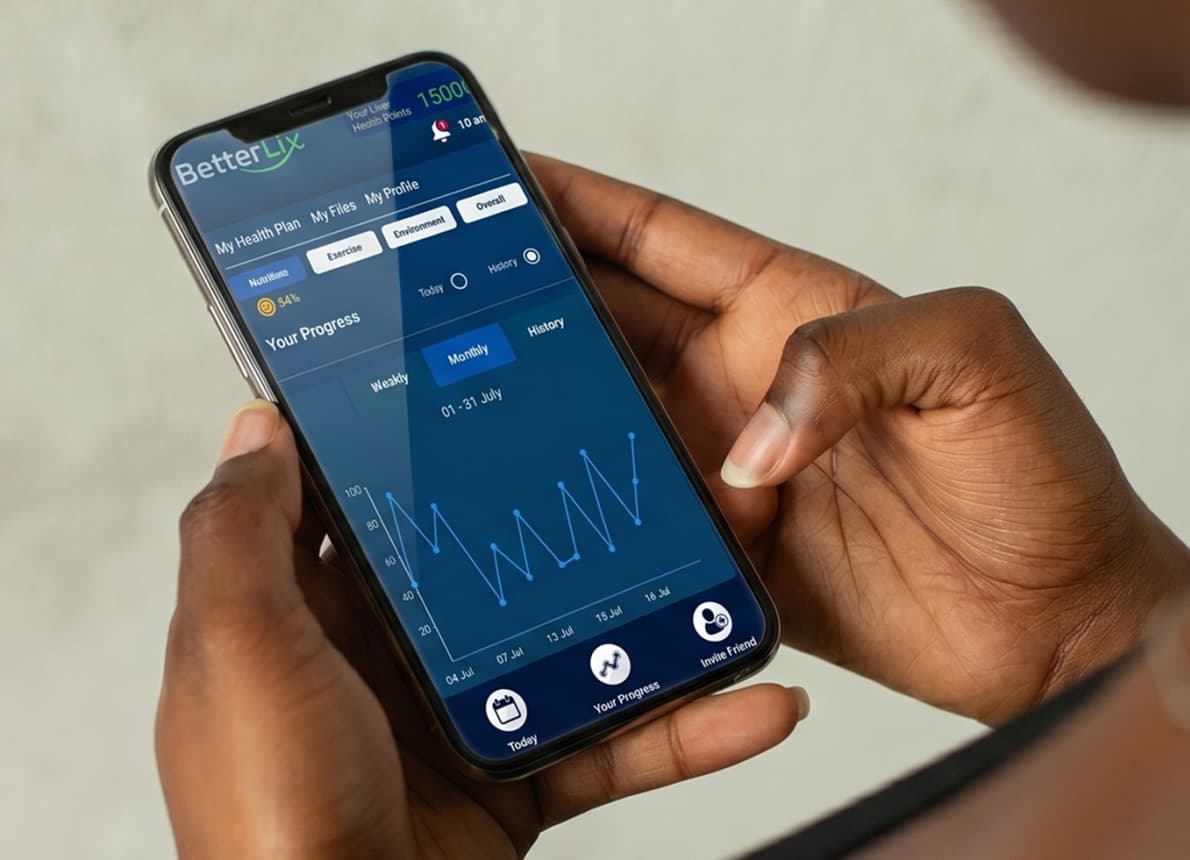
BetterLix app dashboard on a mobile phone

Liver health support

Support Your Liver Health Journey with BetterLix

BetterLix is a digital liver health support app designed to help you understand liver conditions, track symptoms, and build healthier daily habits. It provides simple, personalized guidance to help you stay informed about your liver health and monitor progress over time.

  • Liver symptom tracking and monitoring
  • Daily liver health habit guidance
  • Educational insights about liver conditions
  • Progress tracking for liver wellness

COMMON QUESTIONS

Answers to Common CBC Questions

What Is a CBC Blood Test, and Is It a Liver Test?

A complete blood count (CBC) counts red blood cells, white blood cells, and platelets, and measures hemoglobin and hematocrit. It gives a broad picture of blood and immune health, and is not a liver-specific test, though some results, like platelet count, are often reviewed alongside liver tests.

What Does a Low Platelet Count Mean for Liver Health?

A low platelet count (thrombocytopenia) can be linked to liver conditions such as cirrhosis and portal hypertension, but it also has other causes, including immune disorders, infections, chronic bleeding, and nutritional deficiencies. Your doctor interprets a low platelet count alongside your symptoms, history, and other test results.

Does Low Hemoglobin Always Mean Liver Disease?

Not necessarily. Low hemoglobin, or anemia, is the most common CBC finding and often has causes unrelated to the liver, such as low iron or vitamin B-12. In some liver conditions, anemia can occur, but a full evaluation is needed to identify the cause.

How Is Platelet Count Used with Liver Enzymes to Assess Liver Scarring?

The APRI score combines platelet count with the AST liver enzyme as one indirect tool that can help estimate the likelihood of significant liver scarring. It does not confirm a diagnosis on its own and is used alongside other tests such as imaging.

When Might a Doctor Order a CBC for Liver-Related Concerns?

A CBC is often part of routine blood work, done during monitoring of a known liver condition, or ordered when investigating symptoms such as unusual bruising, bleeding, or fatigue. It may also be used to watch for treatment-related effects on blood counts.

Medical disclaimer: LiverDirectory provides educational information and a directory of providers. It does not provide medical advice, diagnosis, or treatment. Always consult a licensed physician regarding any medical condition.