
It Sorts People into Risk Levels
Risk stratification helps target screening efficiently. People at higher risk can be checked more carefully than people at lower risk.
AI Summary A liver cancer risk score estimates how likely a person with liver disease is to develop hepatocellular carcinoma (HCC). It does not diagnose cancer. Cirrhosis from any cause is the strongest risk factor, and chronic hepatitis B or C, fatty liver disease with cirrhosis, and heavy alcohol use also raise risk. People at high risk are advised to have an ultrasound and AFP blood test about every six months. Treating the underlying liver disease helps lower risk.
Source: www.liverdirectory.com
Medically Reviewed.
A liver cancer risk score estimates how likely a person with liver disease is to develop hepatocellular carcinoma (HCC), the most common type of liver cancer. Doctors use these estimates to decide who needs regular checks.
This page explains who is at higher risk, what risk numbers look like, how scores fit with ultrasound and blood-test surveillance, and what you can do to lower your risk.

 Liver Health AI Assistant

Ask Aimy
Aimy answers from LiverDirectory’s reviewed health information — helping patients make sense of liver-health terms, prepare for specialist visits, and explore what to look up next.
OVERVIEW of cancer risk score
Liver cancer takes time to develop. In people with chronic liver disease, it can take years or even decades. That long window gives doctors a chance to act early, and a risk score helps them decide where to focus.
Think of a risk score as a forecast, not a scan. It does not look inside your liver. It pulls together what is already known about you, such as the cause of your liver disease and how much damage you have, and places you in a lower-risk or higher-risk group. Newer approaches also add blood-based biomarkers to clinical details.
These scores focus on hepatocellular carcinoma (HCC), one of the two most common cancers that start in the liver. Cancer that starts elsewhere and spreads to the liver is called metastatic cancer. It is a different condition.
RISK FACTORS
Risk scores weigh factors like these. In general, the more liver damage a person has, the higher the risk.
No single factor tells the whole story. A risk score weighs several factors together to help your care team decide how closely to check you.
RISK IN NUMBERS
Your own risk depends on your cause of liver disease and your overall health.
HOW IT WORKS
A risk score helps match the intensity of checks to the level of risk.
Risk stratification helps target screening efficiently. People at higher risk can be checked more carefully than people at lower risk.
Blood-based biomarkers may improve how well a model predicts cancer. Combining them with clinical features may reach a prediction accuracy of 0.8–0.9. Our GALAD Score page covers one score that follows this approach.
Current clinical models perform moderately well but have limited real-world impact. A score cannot tell you that cancer is present or absent. Surveillance tests and imaging do that.
Surveillance is individualized by weighing benefits and harms. Your liver specialist uses your risk, test results, and preferences to set your schedule.
COMPARE
A risk score and a surveillance test answer different questions.
| Tool | What It Tells You | When It Is Used |
|---|---|---|
| Liver cancer risk score | How likely cancer is to develop over time | To decide how closely to check someone with liver disease |
| Ultrasound plus AFP blood test | Whether a tumor may be present now | About every six months in people at high risk |
| Contrast-enhanced CT or MRI | A clearer picture of the liver | When ultrasound views are poor, or a finding needs a closer look |
| Liver biopsy | Whether a suspicious lesion is cancer | When a lesion stays suspicious after MRI |
AFP (alpha-fetoprotein) is a tumor marker. An AFP above 15 ng/mL should raise suspicion for cancer, but it does not confirm it.
LOWER YOUR RISK
You cannot change every risk factor, but some steps help.
Antiviral therapy is the most effective way to prevent HCC. People with hepatitis B can read about HBV antivirals.
Early liver cancer often causes no symptoms, so scheduled checks are how most tumors are found early. Ask your care team how often you need an ultrasound and AFP test.
Diet, exercise, avoiding alcohol, and quitting tobacco are recommended for liver protection, though evidence that they prevent cancer directly is limited. Lifestyle changes should not replace other care. It is best not to drink alcohol.
Amsety Bars were designed for people with liver conditions by liver health experts. They offer a convenient way to add energy and nutrients to a liver-friendly diet. Ask your provider what fits your needs.
Explore Liver Health Nutrition Bars
NEXT STEPS
Once you know your risk group, these steps help you act on it.
Your risk depends on the cause of your liver disease and how much damage you have. Ask your care team how they see your risk and what it means for your checks.
For people at high risk, guidelines prefer an ultrasound plus an AFP blood test about every six months. Ask when your next appointment is due and whether you need CT or MRI.
If cancer is ever found, treatment depends on the liver's condition and the extent of cirrhosis, the size, location, and number of tumors, whether the cancer has spread, and your overall health. Knowing the options ahead of time can make those talks easier.
 Liver Health Coach
Liver health support
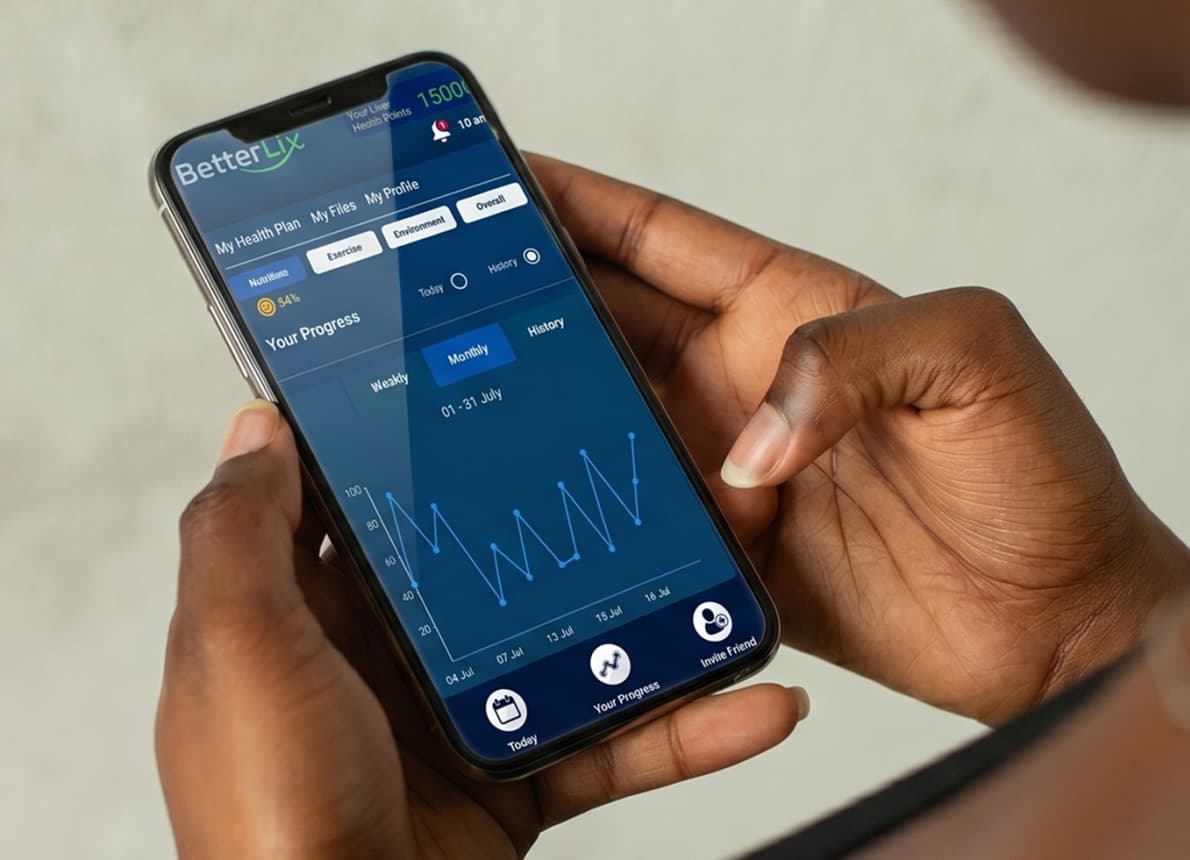
BetterLix is a digital liver health support app designed to help you understand liver conditions, track symptoms, and build healthier daily habits. It provides simple, personalized guidance to help you stay informed about your liver health and monitor progress over time.
Common Questions
A liver cancer risk score is an estimate of how likely a person with liver disease is to develop hepatocellular carcinoma (HCC). It helps doctors decide who needs regular checks. It does not show whether cancer is present today.
No. A risk score estimates future risk only. Diagnosis relies on imaging such as contrast-enhanced CT or MRI, and on a biopsy if a lesion stays suspicious. AFP alone cannot diagnose liver cancer.
People with cirrhosis from any cause have the highest risk. Chronic hepatitis B or C, fatty liver disease with cirrhosis, heavy alcohol use, hemochromatosis, and a past liver cancer also raise risk.
Guidelines prefer an ultrasound plus an AFP blood test about every six months for people at high risk. If ultrasound views are poor, contrast-enhanced CT or MRI is recommended. Your specialist sets your schedule.
Not always. Screening is recommended for adults with MAFLD-related cirrhosis, but routine screening is not currently recommended for MAFLD without cirrhosis, because the yearly rate is much lower. Ask your doctor about your stage of liver disease.
Yes, in part. Treating the underlying disease, especially with antiviral therapy for hepatitis, is the most effective prevention. Avoiding alcohol, not smoking, eating well, and staying active support liver health, though their direct effect on cancer prevention is less proven.
Medical disclaimer: LiverDirectory provides educational information and a directory of providers. It does not provide medical advice, diagnosis, or treatment. Always consult a licensed physician regarding any medical condition.

