AI Summary Specialized urine tests measure one substance to answer a focused question about your liver. The 24-hour urine copper test helps diagnose and monitor Wilson disease. The alcohol biomarker test detects ethyl glucuronide (EtG), a sign of alcohol use for up to 80 hours. The toxicology screen helps look for medicines or substances behind liver injury. No single test diagnoses alone, so your care team reads results with your symptoms, blood tests, and imaging. Follow your lab's collection instructions.

Source: www.liverdirectory.com

Specialized Urine Testing

Medically Reviewed.

Specialized urine testing means urine tests that answer a narrow question about your liver. A routine urinalysis screens for many things at once. A specialized test measures one substance in a sample you give, with no needles or imaging.

In liver care, this group has three tests: the 24-hour urine copper test, the alcohol biomarker urine test, and the toxicology urine screen. This page explains what each one checks and when doctors use it.

Below, you will find key facts, a side-by-side comparison, guides to each test, how to prepare, and answers to common questions.

AimyLiver Health AI Assistant
Ask about symptoms, tests, diet, or specialist care.
What does a FibroScan result mean?
I can explain the terms and help you prepare questions.
(opens in a new tab)

Ask Aimy

Turn confusion into a better next question.

Aimy answers from LiverDirectory’s reviewed health information — helping patients make sense of liver-health terms, prepare for specialist visits, and explore what to look up next.

By asking, you agree to the Terms & Conditions and Privacy Policy.

Urine tests explained

What Is Specialized Urine Testing?

A routine urinalysis uses a chemical dipstick to check urine for several things at once, including bilirubin, protein, glucose, white blood cells, and blood. Specialized urine tests work differently. Each one measures a single substance to answer a focused question.

Three specialized tests are used in liver care:

  • 24-hour urine copper test: measures the copper you pass in urine over a full day. Doctors use it to help diagnose and monitor Wilson disease, a rare inherited disease in which copper builds up in the body.
  • Alcohol biomarker urine test: looks for ethyl glucuronide (EtG), a byproduct the body makes when it processes alcohol.
  • Toxicology urine screen: looks for medicines or other substances that may help explain liver injury.

No single urine test makes a diagnosis alone. Your care team reads the result together with your symptoms, history, blood tests, and imaging.

Key Facts about Specialized Urine Testing

  • Urinary copper over 24 hours reflects ongoing copper overload. Doctors use it both to support a Wilson disease diagnosis and to check whether treatment is working.
  • A 24-hour urine copper level above 100 mcg (1.6 µmol) before treatment supports a Wilson disease diagnosis when combined with other findings.
  • While on treatment for Wilson disease, the suggested target for urine copper is between 3 and 8 µmol per 24 hours.
  • Urinary EtG can detect alcohol use for up to 80 hours and is not affected by cirrhosis.
  • Drug-induced liver injury (DILI) is a diagnosis of exclusion. Doctors must rule out other causes of liver disease first.

Side-by-side test comparison

How the Three Urine Tests Compare

TestQuestion it answersWhat the lab measuresTime it covers
24-hour urine copperIs copper building up in the body, or is Wilson disease treatment working?Copper in all the urine you collect over one dayOne full 24-hour period
Alcohol biomarker urine testHas alcohol been used recently?Ethyl glucuronide (EtG), a byproduct of alcoholUp to 80 hours after drinking
Toxicology urine screenCould a medicine or other substance be involved in liver injury?Medicines or other substances in a urine sampleSet by your care team and the lab

Only your care team can say which test fits your situation. Results are always read together with your symptoms and other tests.

Individual test guides

The Tests in This Group

Each test has its own guide with more detail.

24-Hour Urine Copper Test

This test gathers every urine sample you pass over 24 hours. A full day gives a more complete picture than one spot sample. Doctors use it to help diagnose Wilson disease, often with blood tests, an eye exam, and sometimes a liver biopsy. They also use it during treatment, because medicines called chelators (such as penicillamine and trientine) raise the amount of copper you pass in urine. Changes in the result help show whether treatment is working and whether doses are being taken as planned.


Alcohol Biomarker Urine Test

Ethyl glucuronide (EtG) is made when the body breaks down alcohol. It is a specific sign that alcohol was used, and a urine test can pick it up for up to 80 hours. Unlike some blood markers such as GGT or MCV, urinary EtG is not affected by cirrhosis. Care teams may use it to support recovery from alcohol-related liver disease.

Toxicology Urine Screen

Medicines, herbal products, and supplements can injure the liver. This is called drug-induced liver injury (DILI). Its symptoms are often vague, and it can progress to liver failure in days. No single test confirms it. Doctors rule out other causes, such as viral hepatitis, and compare the timing of your liver injury with what you took. A urine screen can be one piece of that work.

Support your diet alongside your care

Amsety Bars were designed for people with liver conditions by liver health experts. They offer a convenient way to add energy and nutrients to a liver-friendly diet. Ask your provider what fits your needs.

Explore Liver Health Nutrition Bars
Amsety Bar in Dark Chocolate and Peanut Butter flavors

Test preparation tips

Before, During, and After Your Test

These tests are simple, but small mistakes can affect results.

  • Tell your care team about every medicine, herbal product, and supplement you take.
  • Ask how to collect your sample. Follow the instructions exactly.
  • Do not stop any medicine on your own. Your provider may ask you to pause some medicines that can affect the result.
  • For a 24-hour test, collect all of your urine over the full 24 hours in the container your lab gives you.
  • Return the sample as directed.

Ask your care team when results will be ready and what the next step is.

Understanding your results

After Your Results

Your care team will explain what your results mean for you.

Explore liver treatments

Learn about the treatments that liver specialists may talk with you about.

Find a Liver Specialist Near You

Liver Health Coach
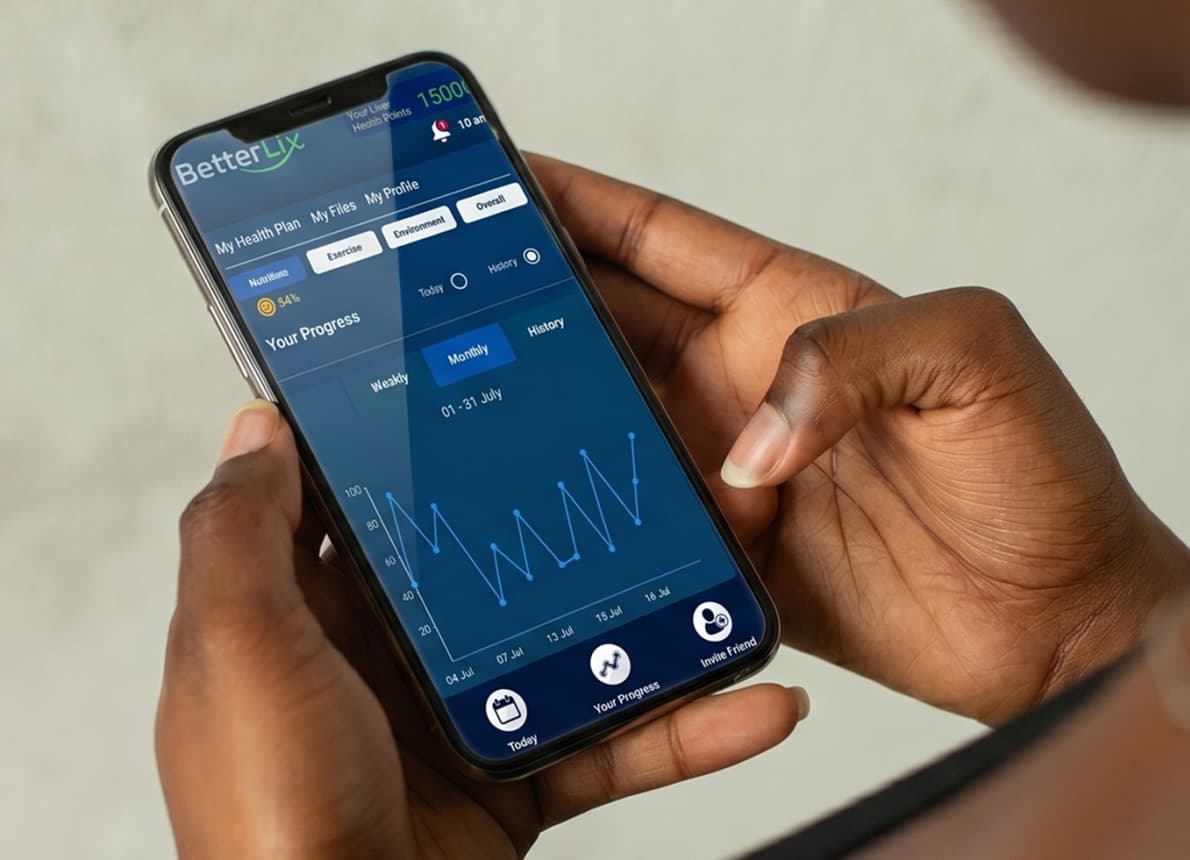
BetterLix app dashboard on a mobile phone

Liver health support

Support Your Liver Health Journey with BetterLix

BetterLix is a digital liver health support app designed to help you understand liver conditions, track symptoms, and build healthier daily habits. It provides simple, personalized guidance to help you stay informed about your liver health and monitor progress over time.

  • Liver symptom tracking and monitoring
  • Daily liver health habit guidance
  • Educational insights about liver conditions
  • Progress tracking for liver wellness

Common questions

Answers to Common Specialized Urine Testing Question

What is specialized urine testing?

Specialized urine testing is a group of urine tests that each measure one substance to answer a focused question. In liver care, the group includes the 24-hour urine copper test, the alcohol biomarker urine test, and the toxicology urine screen. A routine urinalysis, by contrast, checks several things at once.

Can a urine copper test diagnose Wilson disease by itself?

No. Urine copper supports a Wilson disease diagnosis only when combined with other findings, such as blood tests, an eye exam, genetic testing, or sometimes a liver biopsy. A level above 100 mcg (1.6 µmol) in 24 hours is treated as supportive evidence, not proof on its own.

How long can an alcohol urine test detect drinking?

Urinary ethyl glucuronide (EtG) can detect alcohol use for up to 80 hours. Cirrhosis does not change the result, unlike some blood markers.

Can a urine test prove that a medicine or supplement hurt my liver?

No. Drug-induced liver injury (DILI) is a diagnosis of exclusion. Doctors review what you took and when, and they rule out other causes such as viral hepatitis. A urine screen may be one part of that review.

Do I need to collect urine for 24 hours for every specialized test?

Only the 24-hour urine copper test asks for a full day of samples. Your lab gives you a container and instructions. Follow them exactly, and ask your provider about any other test you are scheduled for.

Medical disclaimer: LiverDirectory provides educational information and a directory of providers. It does not provide medical advice, diagnosis, or treatment. Always consult a licensed physician regarding any medical condition.