AI Summary On LiverDirectory, you will find information on common liver diseases, symptoms, and specialist care. Explore metabolic liver disease, viral hepatitis, genetic liver disorders, alcohol-related liver disease, liver cancer–related, and transplant-associated conditions. Connect with liver specialists near you for expert evaluation and guidance.

Liver DiseasesSymptoms, Types, and Specialist Care

Reviewed by Liver Health Experts

Liver diseases are conditions that damage or impair the liver, a vital organ responsible for filtering toxins, producing proteins, storing energy, and supporting digestion. The liver performs over 500 essential functions in your body. When liver diseases develop—whether from metabolic issues, viral infections, genetic factors, alcohol use, or other causes—they can disrupt these critical processes and lead to serious complications if left untreated.

This page covers the major types of liver diseases, including metabolic, viral, genetic, alcohol-related, and cancer-associated conditions. You'll learn about common symptoms, how the liver works, prevention strategies, and when to seek specialist care. Explore detailed condition pages and connect with liver specialists near you for expert evaluation and personalized treatment.

AimyLiver Health AI Assistant
Ask about symptoms, tests, diet, or specialist care.
What does a FibroScan result mean?
I can explain the terms and help you prepare questions.
(opens in a new tab)

Ask Aimy

Turn confusion into a better next question.

Aimy answers from LiverDirectory’s reviewed health information — helping patients make sense of liver-health terms, prepare for specialist visits, and explore what to look up next.

By asking, you agree to the Terms & Conditions and Privacy Policy.

Why Liver Health Matters

Liver Disease in the United States

  • 100 million Americans live with liver conditions—1 in 3 U.S. adults has MASLD (fatty liver disease)
  • Many liver diseases progress silently without symptoms, often going undetected until advanced stages
  • The liver performs over 500 essential functions, including detoxification, protein production, and energy storage
  • Obesity, type 2 diabetes, alcohol use, and viral hepatitis are the most common risk factors for liver disease
  • Early detection through regular liver testing can prevent progression to cirrhosis, liver failure, and liver cancer

How Your Liver Works

What Does Your Liver Do?

The liver performs hundreds of essential functions that keep your body running smoothly. From filtering toxins and producing vital proteins to storing energy and supporting digestion, the liver plays a central role in metabolism, immunity, and overall health. These are the key functions that matter most for understanding how your liver supports your well-being.

Detoxification
Your liver removes harmful substances like alcohol, medications, and waste products from your blood. This cleaning process protects your organs and keeps your body functioning safely every day.
Protein Production
Your liver makes essential proteins that carry nutrients through your blood, help your immune system fight infections, and keep fluid balanced in your body. Without these proteins, your health would quickly decline.
Bile Production
Your liver produces bile, a digestive fluid that breaks down fats from food and helps your body absorb important vitamins like A, D, E, and K. Without bile, you cannot properly digest fats or get these nutrients.
Energy Storage
Your liver converts the food you eat into energy your body can use right away or stores it as glycogen for later. This process keeps your blood sugar stable and gives you steady energy throughout the day.
Metabolic Control
Your liver helps control the levels of sugar, cholesterol, and hormones in your blood. This regulation keeps your metabolism balanced and supports heart health, blood sugar control, and overall wellness.
Blood Clotting
Your liver produces clotting factors, special proteins that help your blood form clots to stop bleeding when you are injured. Without these proteins, even minor cuts could lead to dangerous blood loss.

Important: Early liver testing can detect damage before symptoms appear, helping you protect your liver health.

Common Liver Conditions

Common Liver Disease Types and Conditions

Metabolic Liver Disease

Metabolic liver diseases develop when the body processes fats, sugars, or nutrients improperly, leading to liver inflammation, fat buildup, or scarring. These conditions are increasingly common worldwide and are strongly linked to obesity, diabetes, insulin resistance, and lifestyle-related health risks.

Liver transplant topics:

  • Evaluation and Eligibility
  • Living Donor Liver Transplant
  • Liver Transplant Surgery

Viral Liver Diseases

Viral liver diseases are caused by infections that attack liver cells and may lead to chronic inflammation, fibrosis, cirrhosis, or liver failure if untreated. Early diagnosis and antiviral treatments can significantly improve liver health outcomes.

Types of viral liver diseases:

  • Hepatitis A
  • Hepatitis B
  • Hepatitis C

Genetic Liver Diseases

Genetic liver diseases are inherited conditions that affect liver function, metabolism, or bile flow. Many genetic disorders appear early in life, while others may remain undiagnosed until adulthood. Early screening and specialized care are critical for long-term management.

Types of genetic liver diseases:

  • Wilsons Disease
  • Cystic Fibrosis
  • Alpha-1 Antitrypsin Deficiency

Liver Cancer

Liver cancer develops when abnormal cells grow uncontrollably in liver tissue. Chronic liver disease, hepatitis infections, and cirrhosis are major risk factors. Early detection, imaging, and advanced treatment options improve survival and quality of life.

Types of liver cancer:

  • Hepatocellular Carcinoma (HCC)
  • Hepatoblastoma
  • Metastatic Liver Cancer

Liver Comorbidities

Liver comorbidities are health conditions that commonly occur alongside liver disease and may worsen liver damage or affect treatment outcomes. Managing related conditions is essential for improving overall liver wellness and patient care.

Common comorbidities:

  • Type 2 Diabetes
  • Obesity
  • Cardiovascular Problems

Liver Disease Complications

Advanced liver disease can lead to serious complications that affect multiple organs and overall health. Recognizing warning signs early helps reduce hospitalizations and improve long-term prognosis.

Common complications:

  • Cirrhosis
  • Liver failure
  • Portal hypertension

Recognizing the signs

Symptoms of Liver Disease

Jaundice
Jaundice causes yellowing of the skin and eyes. It happens when a damaged liver cannot clear bilirubin, a pigment from old blood cells, letting it build up in the blood.
Fatigue and Weakness
Fatigue and weakness are ongoing tiredness and low energy that rest does not relieve. Liver disease can cause this by disrupting how the body stores and releases energy from food.
Dark Urine, Pale Stools
Dark urine and pale, clay-colored stools can occur when the liver cannot process bilirubin properly. Instead of leaving the body through stool, it builds up and passes into urine.
Itchy Skin
Itchy skin without a rash can occur when bile salts build up under the skin instead of flowing normally through the digestive system, a sign of reduced liver function.
Abdominal Pain and Swelling
Pain, pressure, or swelling in the upper right abdomen can occur when the liver becomes inflamed, enlarged, or when fluid builds up because of advanced liver disease.
Nausea and Appetite Loss
Nausea and a reduced desire to eat often occur when toxins that a struggling liver cannot filter build up in the blood, affecting digestion and appetite.
Easy Bruising and Bleeding
Bruising or bleeding more easily than usual can happen when the liver makes fewer clotting proteins, since a damaged liver struggles to produce the factors that help blood clot.
Confusion and Memory Problems
Confusion, memory trouble, or difficulty concentrating can occur when a damaged liver cannot filter toxins from the blood, allowing them to affect brain function, a condition called hepatic encephalopathy.

Liver disease can present with a range of symptoms. If you experience several of these, consider speaking with a specialist.

Early detection & liver health

Liver Disease Prevention, Screening and Specialist Care

Liver Disease Prevention

Maintaining liver health reduces the risk of fatty liver disease (MASLD), hepatitis complications, and long-term liver damage. Prevention focuses on healthy lifestyle choices — balanced nutrition, regular exercise, healthy weight, limiting alcohol, and avoiding unnecessary medications or supplements that may harm the liver. Hepatitis A and B vaccination is recommended for at-risk individuals.

  • Healthy, balanced diet
  • Alcohol moderation
  • Weight management & exercise
  • Vaccination (Hepatitis A & B)

Liver Screening & Diagnosis

Liver disease often develops silently without early symptoms, making regular screening essential for early detection. Liver function panels (LFTs), ultrasound imaging, and FibroScan help identify fatty liver disease and fibrosis at an early, treatable stage. Screening is especially important for people with diabetes, obesity, alcohol use, or a family history of liver disease.

  • Liver function tests (LFTs)
  • Ultrasound & FibroScan
  • Early detection for at-risk adults

When to See a Liver Specialist

See a liver specialist (hepatologist) if you experience fatigue, jaundice, abdominal pain, or abnormal liver test results. People with obesity, diabetes, high cholesterol, or alcohol-related risk factors should also consider early evaluation. Early specialist care helps prevent progression to cirrhosis, liver failure, or liver cancer.

  • Warning symptoms (jaundice, fatigue, pain)
  • Risk factors (diabetes, obesity, alcohol)
  • Abnormal labs or chronic conditions

Regular screening can catch liver disease early, when treatment is most effective and damage is reversible.

Connect with a liver specialist for further evaluation and guidance

Liver Health Coach
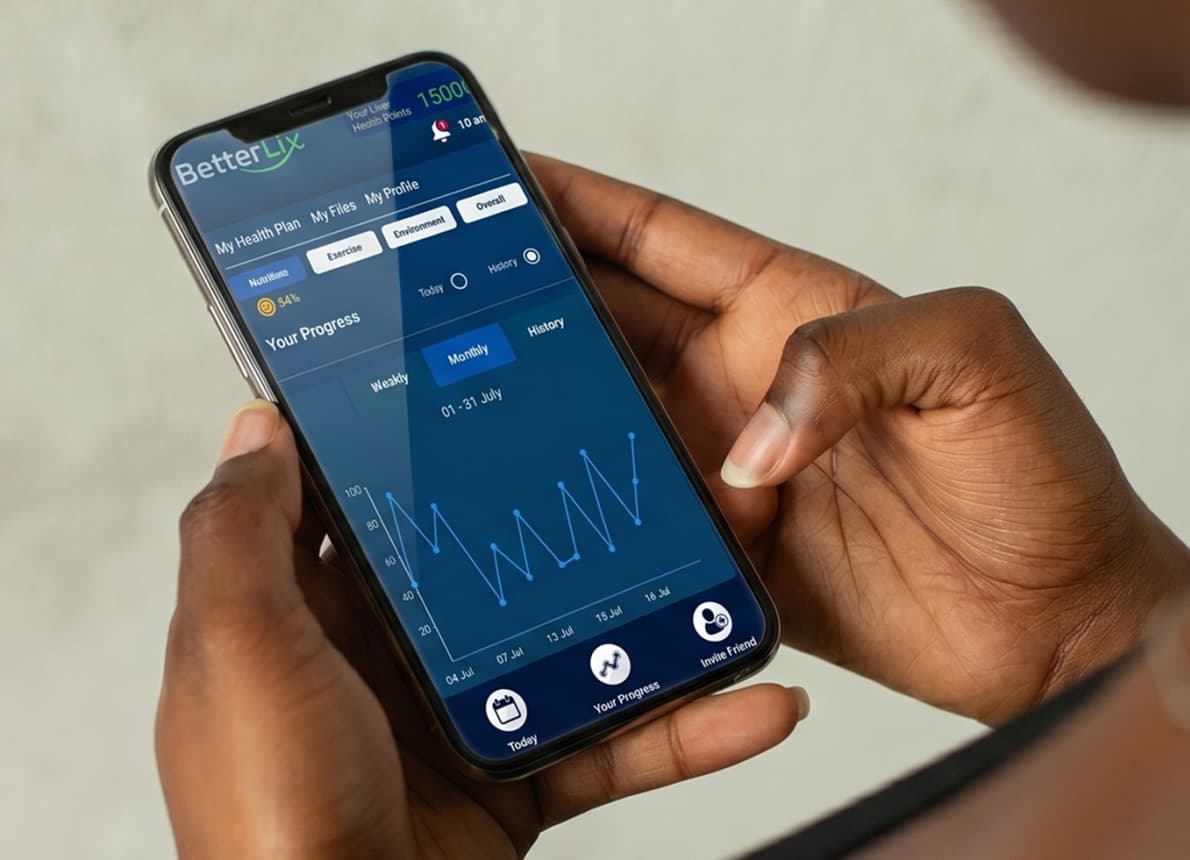
BetterLix app dashboard on a mobile phone

Liver health support

Support Your Liver Health Journey with BetterLix

BetterLix is a digital liver health support app designed to help you understand liver conditions, track symptoms, and build healthier daily habits. It provides simple, personalized guidance to help you stay informed about your liver health and monitor progress over time.

  • Liver symptom tracking and monitoring
  • Daily liver health habit guidance
  • Educational insights about liver conditions
  • Progress tracking for liver wellness

Common questions

Frequently Asked Questions

What are the most common liver diseases?

Fatty liver disease (MASLD) is the most common liver disease in the Western Hemisphere. Other common conditions include viral hepatitis, alcohol-related liver disease, genetic liver disorders, cirrhosis, and liver cancer. Many of these share risk factors such as obesity, type 2 diabetes, alcohol use, and viral infections.

What symptoms indicate liver problems?

Common signs include jaundice (yellow skin and eyes), fatigue and weakness, dark urine or pale stools, itchy skin, abdominal pain and swelling, nausea, easy bruising, and confusion or memory problems. Liver disease often causes no symptoms in its early stages, so many people learn about it through a routine checkup or blood test. Symptoms can appear suddenly or build slowly over time.

When should you see a liver specialist?

See a doctor if you have symptoms that worry you or think you are at risk, and ask about a hepatologist (liver specialist) if you have jaundice, ongoing fatigue, abdominal pain, or abnormal liver test results. Risk factors such as diabetes, obesity, high cholesterol, or heavy alcohol use are also good reasons to ask about an early evaluation.

Can liver disease be reversed?

Some early liver conditions can be reversed. Fatty liver disease and NASH, its inflamed form, can improve with weight loss, regular exercise, liver-healthy eating, and less alcohol. Cirrhosis, which is permanent scarring, cannot be reversed. If lifestyle changes are not kept up, fatty liver disease can keep progressing. Talk with your doctor about a treatment plan.

How does fatty liver disease progress?

Fatty liver disease can move through four stages. It starts with fat buildup in the liver. Next, inflammation develops, which is called NASH. Then scarring (fibrosis) forms. In the last stage, cirrhosis, healthy liver cells are replaced by scar tissue, which can lead to liver failure. Left untreated, it also raises the risk of liver cancer.

How is liver disease diagnosed?

Doctors usually combine several steps. They review your medical history, do a physical exam, and order blood tests, also called liver function tests. They may add imaging tests such as ultrasound, MRI, or CT. In some cases, a liver biopsy is needed to confirm the diagnosis. Your doctor decides which tests fit your situation.

How can you help protect your liver?

A liver-healthy lifestyle is the best protection. Keep a healthy weight, eat a balanced diet, exercise regularly, and limit alcohol. Take only the medications and supplements your doctor recommends. Hepatitis A and B vaccination is recommended for people at risk. Regular checkups matter too, because liver disease often has no early symptoms.

Medical disclaimer: LiverDirectory provides educational information and a directory of providers. It does not provide medical advice, diagnosis, or treatment. Always consult a licensed physician regarding any medical condition.