
PEth
PEth is one of the three alcohol biomarker tests in this group. Open its guide for details on the test.
AI Summary Alcohol biomarker tests measure substances in urine, hair, or blood that show whether you have been drinking. Direct markers such as EtG are more specific than indirect markers such as GGT and MCV. Urinary EtG detects use for up to 80 hours; scalp hair EtG covers up to six months. Doctors order these tests to assess alcohol-related liver disease, monitor abstinence, and support transplant evaluation. They do not diagnose liver damage.
Source: www.liverdirectory.com
Medically Reviewed.
Alcohol biomarker tests measure substances in your body that show whether you have been drinking. They give your care team an objective lab result to add to what you tell them about your drinking.
This page introduces the group and points you to the detailed guides on PEth, CDT, and ethyl glucuronide (EtG).
Below, you will find key facts, a comparison of the markers, when doctors order these tests, what results can and cannot tell you, and answers to common questions.

 Liver Health AI Assistant

Ask Aimy
Aimy answers from LiverDirectory’s reviewed health information — helping patients make sense of liver-health terms, prepare for specialist visits, and explore what to look up next.
Alcohol testing basics
An alcohol biomarker is a substance in your urine, hair, or blood that changes when you drink alcohol. Alcohol biomarker tests measure these substances. They help your care team learn whether alcohol is a factor in your liver health.
Doctors sort these markers into two groups. Direct markers, such as ethyl glucuronide (EtG), come from the way your body processes alcohol itself. Indirect markers, such as the liver enzyme GGT and the red blood cell measure MCV, show how alcohol may be affecting your body. Direct markers are more specific to alcohol.
These tests matter in alcohol-related liver disease (ARLD), also called alcoholic liver disease. Stopping alcohol completely is the most important step in treating it. Testing can support that goal by showing whether a person has stayed alcohol-free.
This group has three detailed guides: PEth, CDT, and ethyl glucuronide (EtG). A test result is never a judgment. It is one piece of information your care team uses to support you.
Alcohol marker comparison
Markers differ in what they show and how far back they look. This table covers the time window for each marker.
| Marker | Type | What it shows | Time window | Key point |
|---|---|---|---|---|
| Urinary EtG | Direct | Recent alcohol use | Up to 80 hours | Not influenced by cirrhosis |
| Hair EtG (scalp) | Direct | Longer-term drinking pattern | Up to six months; each 1 cm segment is about one month | Used to monitor long-term abstinence |
| GGT | Indirect | A liver enzyme that can rise with alcohol | Not a fixed window | Other causes can also raise it |
| MCV | Indirect | Average size of red blood cells, which alcohol can change | Not a fixed window | Less reliable than urinary EtG |
PEth and CDT are covered in their own guides. Ask your care team which window fits your situation.
Alcohol test guides
Each test has its own guide. Start with the one your care team mentioned.
PEth is one of the three alcohol biomarker tests in this group. Open its guide for details on the test.
CDT is one of the three alcohol biomarker tests in this group. Open its guide for details on the test.
EtG is a direct marker made when the body processes alcohol. It can be measured in urine for up to 80 hours after drinking, or in scalp hair for up to six months.
Alcohol testing reasons
If your doctor suspects alcohol-related liver disease, they will order blood tests to check how your liver works and ask about your drinking. Biomarker tests can add objective information to that conversation.
Full abstinence is vital to treat alcohol-related liver disease, and no medical treatment can prevent further damage without it. EtG is useful for checking both recent and long-term abstinence.
A liver transplant evaluation reviews psychosocial and addiction-related factors. Complete abstinence is essential, and many centers require about six months of it. Some experts favor an individual review over a fixed time rule.
Amsety Bars were designed for people with liver conditions by liver health experts. They offer a convenient way to add energy and nutrients to a liver-friendly diet. Ask your provider what fits your needs.
Explore Liver Health Nutrition Bars
Reading test results
A biomarker result is one piece of information. Your care team reads it with your history and other tests.
Direct markers such as EtG show whether alcohol was processed by the body in a given window. Urinary EtG covers up to 80 hours. Hair EtG covers up to six months.
No biomarker test diagnoses liver disease or measures liver damage. For that, doctors use liver blood tests, imaging, and sometimes a liver biopsy. Raised liver enzymes alone do not prove alcohol is the cause, because medicines, toxins, diabetes, and obesity can raise them too.
Doctors combine results with questionnaires such as AUDIT-C, your symptoms, and your exam. If alcohol-associated hepatitis is suspected, scores help rate severity.
Preparing for your test
Alcohol biomarker tests use a urine sample, a hair sample, or blood, depending on the marker. Your care team will tell you which test they are ordering and why.
Before testing, talk openly with your team. Honest answers help them choose the right test and read it correctly.
If you have liver disease and drink alcohol, stopping completely is the most important step. The early stages of ARLD, alcoholic fatty liver and alcoholic hepatitis, can often be reversed through abstinence and a healthy lifestyle. Ask your doctor about medical oversight when you stop drinking, because medicines can help if you are alcohol dependent and may go through withdrawal. Counseling and support programs also help.
Medicines that support abstinence include acamprosate (Campral) and baclofen (Lioresal). Both are considered useful in alcohol-related liver disease. Your doctor will decide what fits you.
 Liver Health Coach
Liver health support
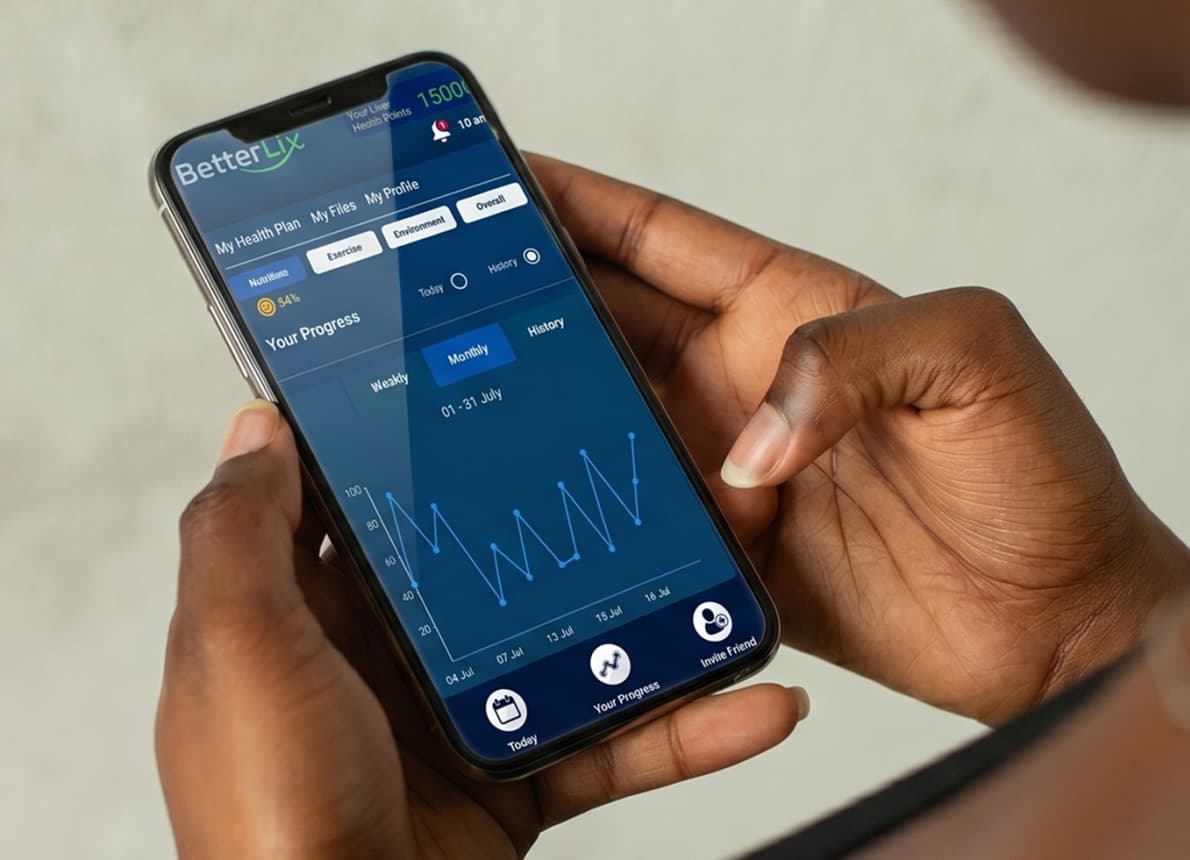
BetterLix is a digital liver health support app designed to help you understand liver conditions, track symptoms, and build healthier daily habits. It provides simple, personalized guidance to help you stay informed about your liver health and monitor progress over time.
Common questions
Urinary EtG can detect alcohol use for up to 80 hours, which is a little over three days. EtG is a direct marker. Your body makes it when it processes alcohol, so a positive result in that window points to alcohol use. Hair testing looks back much further, up to six months. Ask your care team which window fits your situation.
No. Cirrhosis does not influence urinary EtG. Many other tests can be harder to read when the liver is damaged, so this matters. It is one reason urinary EtG is rated as better than indirect markers such as GGT or MCV.
Direct markers come from the way your body processes alcohol itself, so they point specifically to drinking. EtG is an example. Indirect markers show changes that alcohol may cause in your body. GGT is a liver enzyme, and MCV is the average size of your red blood cells. Because other conditions can also affect these measures, they are less specific to alcohol.
Not necessarily. Liver enzymes are proteins made in the liver. When liver cells are damaged, enzymes such as ALT and AST leak into the blood and levels rise. Alcohol can cause this. So can medicines, toxins, diabetes, obesity, and other conditions such as liver disease, heart failure, and celiac disease. Your doctor looks at your full history and other tests before drawing a conclusion. A direct marker such as EtG measures alcohol itself.
A hair test can show your drinking pattern over up to six months. Scalp hair EtG is used to monitor long-term abstinence. Each 1 cm segment of hair reflects about one month, so the lab can look at the pattern month by month. A hair test does not diagnose liver disease or measure liver damage. Your care team uses other tests for that.
Medical disclaimer: LiverDirectory provides educational information and a directory of providers. It does not provide medical advice, diagnosis, or treatment. Always consult a licensed physician regarding any medical condition.

