AI Summary Hepatic encephalopathy scores help doctors rate how advanced liver disease affects thinking and behavior. The West Haven Criteria grades severity from a bedside exam, while the HAST/HASA score estimates risk from blood tests and a short thinking test. Covert HE needs special testing, and overt HE starts at Grade II. Scores can change, so doctors repeat them. Treating triggers often ends an episode. Lactulose is the first choice, and rifaximin helps prevent return.

Source: www.liverdirectory.com

Hepatic Encephalopathy Scores

Medically Reviewed.

Hepatic encephalopathy (HE) is a decline in brain function that can happen when advanced liver disease lets toxins build up in the blood. Hepatic encephalopathy scores give your care team a shared way to describe how mild or severe it is.

Some scores come from a bedside exam. Others combine blood results with short thinking tests. No single score tells the whole story, so your doctors read them together with your symptoms and history.

This page explains the main scores, how covert and overt HE differ, and how to prepare for a visit with a liver specialist.

AimyLiver Health AI Assistant
Ask about symptoms, tests, diet, or specialist care.
What does a FibroScan result mean?
I can explain the terms and help you prepare questions.
(opens in a new tab)

Ask Aimy

Turn confusion into a better next question.

Aimy answers from LiverDirectory’s reviewed health information — helping patients make sense of liver-health terms, prepare for specialist visits, and explore what to look up next.

By asking, you agree to the Terms & Conditions and Privacy Policy.

HE Severity Scoring Basics

What Are Hepatic Encephalopathy Scores?

Hepatic encephalopathy scores are tools doctors use to measure how much liver disease is affecting your brain. HE can look like forgetfulness, slowed thinking, sleep that flips between night and day, or confusion. In its most severe form, it can lead to coma.

HE is a continuum that doctors divide into levels. Doctors also classify every case by four factors: the underlying liver problem, the severity, the time course, and what triggered it. Scores answer the severity question. Most HE in people with cirrhosis is called type C.

Two scores on this site cover this group:

A score describes how you are doing at one point in time. HE can change quickly, so doctors repeat these checks to see whether treatment is working.


Key points

  • 30% to 40% of people with cirrhosis develop overt HE at some point. About 10% to 14% already have it when cirrhosis is diagnosed.
  • Overt HE begins when a person becomes disoriented or has asterixis, a flapping movement of the hands.
  • Grades III and IV are called brain failure. They need hospital care, often in an intensive care unit.
  • More than 50% of people with HE have a bacterial infection when they first seek care.
  • A high ammonia level alone does not add diagnostic, staging, or prognostic value in chronic liver disease.

Scores in This Group

Which Score Does What?

Each score answers a different question. Your doctor may use one or several.

West Haven Criteria: How Severe Is It Now?

A bedside grading scale. Your doctor checks orientation, attention, behavior, and movement, then assigns a grade. It needs no blood test and can be repeated during a hospital stay to track progress. Grade II and higher marks overt HE, and Grades III and IV are called brain failure.

HAST / HASA Score: What Is My Risk?

A calculation that combines blood ammonia, bilirubin, INR, and creatinine with a short thinking test. A score under 10 suggests minimal risk, 10 to 20 suggests intermediate risk, and above 20 suggests high risk. Doctors may use it to watch risk over time, alongside the West Haven grade.

Thinking Tests: Is There a Hidden Change?

Subtle HE does not show up on a standard exam. It needs psychometric tests, such as the Psychometric Hepatic Encephalopathy Score (PHES), or a brain-wave test called electroencephalography (EEG). These tests measure attention, processing speed, and planning.

Support Your Diet Alongside Your Care

Amsety Bars were designed for people with liver conditions by liver health experts. They offer a convenient way to add energy and nutrients to a liver-friendly diet. Ask your provider what fits your needs.

Explore Liver Health Nutrition Bars
Amsety Bar in Dark Chocolate and Peanut Butter flavors

Covert vs. Overt HE

Covert and Overt Hepatic Encephalopathy

HE is a continuum that doctors divide into levels.

LevelWest Haven gradeWhat doctors findHow it is found
Minimal HEBelow Grade ISigns of brain dysfunction on testing only. No clinical signs, disorientation, or asterixis.Psychometric or neurophysiological tests
Covert HEMinimal HE and Grade ISubtle problems with attention, speed, and planning that a standard exam can miss.Tests such as PHES or EEG
Overt HEGrade II and aboveDisorientation or asterixis. May include confusion, slurred speech, or lethargy.Bedside exam of mental status and movement
Brain failureGrades III and IVSevere HE, defined as Grade III or IV, or a Glasgow Coma Scale score below 8.Hospital care, often in an intensive care unit

Levels overlap, and HE can move between them. Your care team decides which level fits you.

Visit Preparation Tips

Preparing for Your Visit

A score is most useful when you and your care team act on it early.

Keep a Daily Baseline

A short morning note about sleep, clarity, and mood can help. Rate the day as sharp, okay, fuzzy, or very confused. A slide toward fuzzy is an early warning to share with your team.

Know the Common Triggers

Most episodes follow a trigger, such as a bacterial infection, bleeding in the gut, constipation, or sedatives and diuretics. Treating the trigger often ends the episode. Call your team quickly if you have a fever, notice bleeding, or start a new medicine. Avoid alcohol and sedating pills.

Ask How Your Score Guides Treatment

Lactulose is the first choice for an episode of overt HE. Rifaximin is added to prevent return after a second episode. Your specialist sets the plan, so ask what each score means for your treatment. Read more on the [Hepatic Encephalopathy](/liver-therapies/liver-disease-complication-management/hepatic-encephalopathy) page.

Do Not Cut Protein on Your Own

Protein restriction is now considered harmful. Most people with cirrhosis are advised to eat 1.2 to 1.5 grams of protein per kilogram of body weight per day, small frequent meals, and a late-evening snack. Confirm your own targets with your team before changing your diet.

Plan for Safety

If confusion appears, stay where someone can see you. Do not drive or handle sharp tools. Keep your phone and emergency contacts within reach, and tell a trusted person to call your liver team.

Find a Liver Specialist Near You

Liver Health Coach
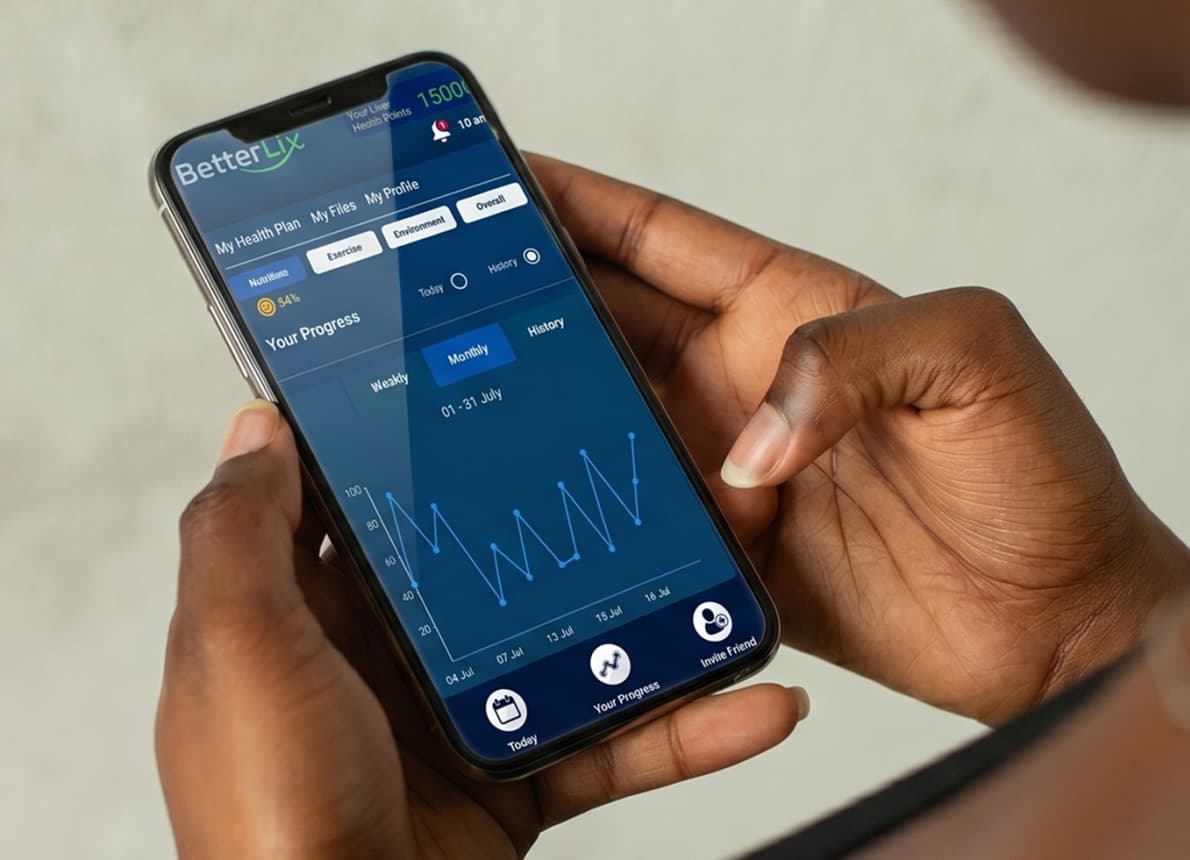
BetterLix app dashboard on a mobile phone

Symptom Tracking Support

Stay Organized Between Appointments

Use BetterLix to organize your symptoms and questions before you see your liver team.

  • Track symptoms and questions between visits
  • Keep your liver health information in one place

Common Questions

Answers to Common Hepatic Encephalopathy Scores Questions

What Are Hepatic Encephalopathy Scores?

They are tools doctors use to rate how much liver disease is affecting your thinking and behavior. Hepatic encephalopathy (HE) can range from subtle changes in attention to confusion and, in its most severe form, coma. A score gives your care team a shared way to describe where you are on that range. The West Haven Criteria grades severity from a bedside exam. The HAST/HASA score estimates risk from blood tests and a short thinking test. Your doctor reads these scores together with your symptoms and history, because no single score tells the whole story.

What Is the Most Common Hepatic Encephalopathy Grading Scale?

The West Haven Criteria is the most common grading scale. It runs from Grade 0, with no detectable symptoms, to Grade IV, which is coma. Your doctor checks orientation, attention, behavior, and movement, then assigns a grade. No blood test is needed. Overt HE begins at Grade II, when a person becomes disoriented or has asterixis, a flapping movement of the hands. Grades III and IV are called brain failure and need hospital care, often in an intensive care unit. Because the exam is quick, doctors can repeat it during a hospital stay to track progress.

Does a High Ammonia Level Mean I Have Hepatic Encephalopathy?

No. A high blood ammonia level alone does not add diagnostic, staging, or prognostic value in chronic liver disease. A result can look high in someone without HE, so the number cannot stand in for an exam. Doctors rely on your symptoms and a bedside exam instead. They may add thinking tests when they suspect subtle changes. Ammonia is one input into the HAST/HASA score, but it is combined with bilirubin, INR, creatinine, and a thinking test rather than read on its own.

What Is Covert Hepatic Encephalopathy?

Covert HE is a form of HE that causes subtle changes in attention, processing speed, and planning. These changes can be easy to miss because a standard exam may look normal and you may not feel confused. Finding it takes psychometric tests, such as the Psychometric Hepatic Encephalopathy Score (PHES), or a brain-wave test called electroencephalography (EEG). Finding it early matters because covert HE predicts overt HE, more hospital stays, and shorter survival. If you notice forgetfulness, slowed thinking, or sleep that flips between night and day, tell your care team.

Can My Score Change Over Time?

Yes. A score describes how you are doing at one point in time, and HE can change quickly. A trigger such as an infection, bleeding in the gut, constipation, or a sedating medicine can move you to a higher level. Doctors repeat scores to see whether treatment is working and whether the condition is getting better or worse. Treating the trigger often ends an episode. You can help by keeping a short daily note about sleep, clarity, and mood, and by calling your team quickly if you feel more fuzzy or confused than the day before.

Medical disclaimer: LiverDirectory provides educational information and a directory of providers. It does not provide medical advice, diagnosis, or treatment. Always consult a licensed physician regarding any medical condition.