AI Summary Fibrosis scores such as FIB-4, FIB-3, APRI, and ELF use routine blood results, and sometimes age, to estimate liver scarring without a biopsy. They are good at ruling out advanced fibrosis but weaker at confirming it, and they do not measure liver fat or inflammation. A low result makes advanced scarring unlikely; an in-between or high result often leads to FibroScan, imaging, or a specialist visit. Treatment targets the underlying cause.

Source: www.liverdirectory.com

Fibrosis Scores

Medically Reviewed.

Fibrosis scores turn routine blood results, and in some cases special fibrosis markers, into one number. That number estimates your chance of significant liver scarring (fibrosis) or cirrhosis.

This page introduces the group, compares the main scores, and points you to the detailed guide on FIB-3 and FIB-4.

Below, you will find key facts, score ranges, what happens after each result, and answers to common questions.

AimyLiver Health AI Assistant
Ask about symptoms, tests, diet, or specialist care.
What does a FibroScan result mean?
I can explain the terms and help you prepare questions.
(opens in a new tab)

Ask Aimy

Turn confusion into a better next question.

Aimy answers from LiverDirectory’s reviewed health information — helping patients make sense of liver-health terms, prepare for specialist visits, and explore what to look up next.

By asking, you agree to the Terms & Conditions and Privacy Policy.

Liver Scarring Explained

What Are Fibrosis Scores?

Fibrosis is scar tissue in the liver. It builds up when the liver is injured or inflamed again and again and tries to repair itself. Chronic liver disease often moves through four stages: hepatitis (inflammation), fibrosis, cirrhosis, and liver failure. Cirrhosis is severe, lasting scarring.

Early fibrosis often causes no symptoms or only mild ones. That is why doctors look for it with tests. A fibrosis score is one of those tests. It combines blood results, and sometimes your age, into a number that estimates how likely it is that you have advanced scarring.

Most scores need only a blood draw, so there is no procedure. Doctors use them for people with chronic liver conditions such as hepatitis B, hepatitis C, fatty liver disease, and alcohol-related liver disease.

A score is an estimate, not a diagnosis. Your care team reads it with your other results, such as liver function tests, and may add imaging. This group sits within Medical Scores.


Key Facts About Fibrosis Scores

  • What they estimate: scar tissue (fibrosis) in the liver. They do not measure liver fat or inflammation directly.
  • What goes in: FIB-4 uses age, AST, ALT, and platelet count. APRI uses AST and platelet count. ELF measures three fibrosis markers in the blood.
  • Guideline support: Clinical guidelines recommend FIB-4 and APRI over no testing to detect significant and advanced fibrosis.
  • Best use: Blood-based scores are good at ruling out advanced fibrosis. They are less reliable at confirming it.
  • Who may be tested: People with chronic liver disease, including viral hepatitis, fatty liver disease, and alcohol-related liver disease.
  • Next step: A high or in-between result usually leads to more testing, such as FibroScan or imaging, not to a diagnosis on its own.

FIB-4, APRI, and ELF Cutoffs

Fibrosis Score Ranges Compared

Each score has a low, in-between, and high range. Labs and guidelines sometimes use slightly different cutoffs, so follow your own report.

ScoreWhat it usesLower riskIn-betweenHigher risk
FIB-4Age, AST, ALT, plateletsBelow 1.451.45 to 3.25Above 3.25
FIB-3Age, AST, ALT, plateletsBelow 1.31.3 to 2.67Above 2.67
APRIAST and plateletsBelow 0.50.5 to 1.5Above 1.5
ELFHyaluronic acid, PIIINP, TIMP-1Below 7.77.7 to 9.8Above 9.8

Lower risk means advanced scarring is unlikely. Higher risk means advanced fibrosis or cirrhosis is more likely and needs further evaluation. Neither result confirms a stage on its own.

Blood-Based Fibrosis Tests

The Scores in This Group

Each score answers the same question, how likely is advanced scarring, from different blood results.

FIB-3 and FIB-4

FIB-4 combines your age with AST, ALT, and platelet count. FIB-3 is a related calculation with its own equation and ranges. Both use routine blood work, and doctors use them to watch fibrosis over time or to help avoid a biopsy. The detailed guide shows the equations and ranges.

APRI (AST-to-Platelet Ratio Index)

APRI stands for AST-to-platelet ratio index. It uses just two routine values: AST, a liver enzyme, and platelet count. A score below 0.5 makes cirrhosis unlikely. A score above 1.5 makes advanced fibrosis or cirrhosis more likely. A score from 0.5 to 1.5 needs more testing. Doctors use APRI, along with FIB-4, as a first step before other testing.

ELF (Enhanced Liver Fibrosis)

The ELF test is a blood test that measures three markers of scarring: hyaluronic acid, PIIINP, and TIMP-1. A formula combines them into one score from 0 to 10, and higher scores mean more severe fibrosis. A score below 7.7 is low risk. A score from 7.7 to 9.8 is moderate risk and may lead to FibroScan, ultrasound, or other imaging. A score above 9.8 is high risk, and a specialist evaluation is usually needed. Unlike a biopsy, ELF is painless and can be repeated over time.

Understanding Your Result

After Your Result: Next Steps

What happens next depends on where your result falls and on your overall health.

Lower-Risk Result

A low score suggests that advanced scarring is unlikely. You may not need an immediate referral to a specialist. Your doctor may still recommend repeat testing, depending on your risk factors, such as ongoing viral hepatitis or fatty liver disease.

In-Between Result

An in-between score cannot rule advanced scarring in or out. Your doctor usually orders a second test, such as a [FibroScan](/liver-tests/imaging-non-invasive-testing/elastography-fibrosis-testing/fibroscan), another elastography method, or imaging. Some cases may need a [liver biopsy](/liver-tests/invasive-testing/liver-biopsy) to clarify the stage.

Higher-Risk Result

A high score makes advanced fibrosis or cirrhosis more likely. It does not confirm the diagnosis. Expect a specialist evaluation and further testing to measure how much scarring is present and whether complications are a concern.

Treating the Cause

Treatment depends on the disease that caused the scarring. Examples include [direct-acting antivirals](/liver-therapies/viral-hepatitis-treatments/hcv-direct-acting-antivirals) for hepatitis C, or weight, diet, and metabolic care for fatty liver disease. Some early fibrosis can improve when the damage slows enough for the liver to recover. Cirrhosis is not reversible, but you can still slow or stop further damage.

Support Your Diet Alongside Your Care

Amsety Bars were designed for people with liver conditions by liver health experts. They offer a convenient way to add energy and nutrients to a liver-friendly diet. Ask your provider what fits your needs.

Explore Liver Health Nutrition Bars
Amsety Bar in Dark Chocolate and Peanut Butter flavors

Score Accuracy and Limitations

What Fibrosis Scores Cannot Tell You

Fibrosis scores are useful screening and monitoring tools, but they have limits.

  • They work better for ruling out than ruling in. Blood-based scores such as FIB-4 are good at showing that advanced fibrosis is unlikely. Their ability to confirm it is lower, especially in people at low risk.
  • They are better at finding cirrhosis than middle stages. Noninvasive tests separate adjacent in-between stages less well than they detect cirrhosis.
  • They measure scarring only. A score such as FIB-4 does not capture liver fat or inflammation, so it is a starting point rather than a complete workup.
  • Your result needs context. Your age, other conditions, and other tests all matter. Do not try to interpret one number on its own.

If your score is in the in-between or high range, a liver specialist can plan the next test with you. Use the specialist search below to find one.

Find a Liver Specialist Near You

Liver Health Coach
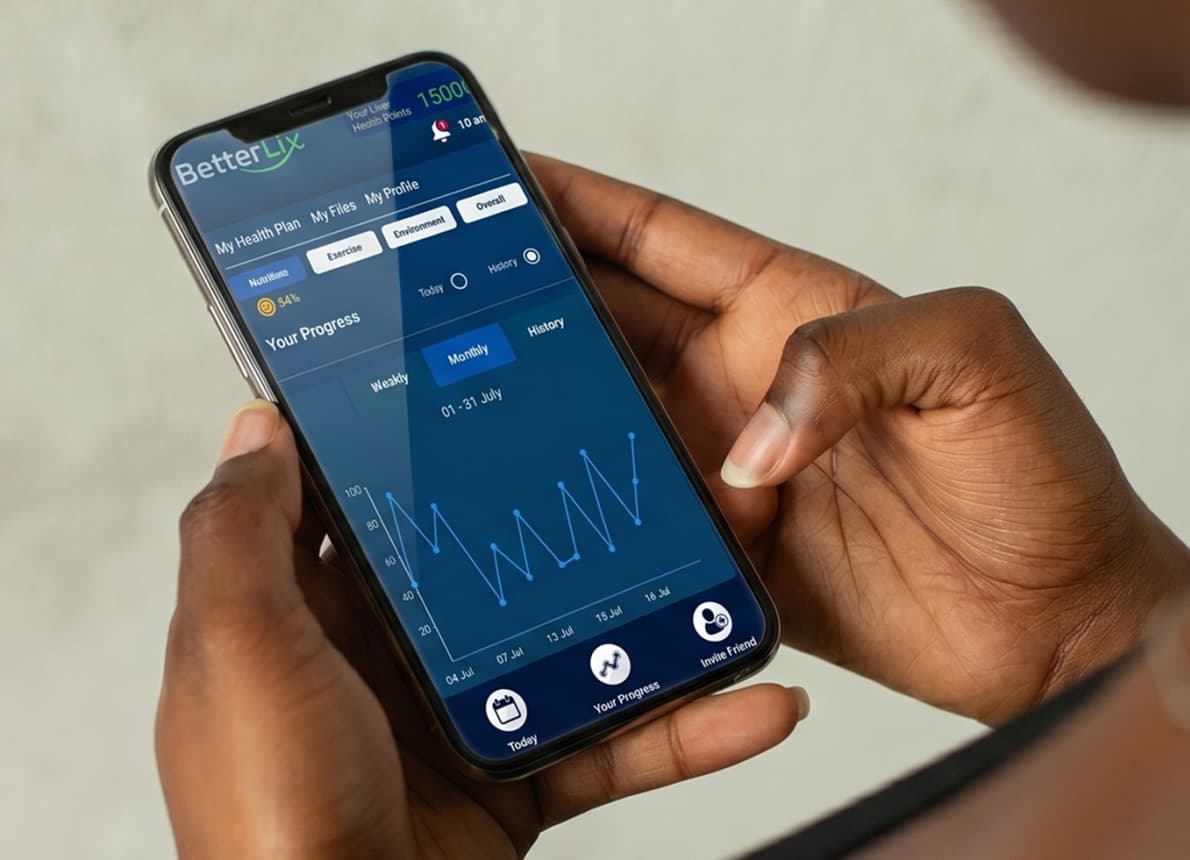
BetterLix app dashboard on a mobile phone

Personal Liver Health Records

Keep Track of Your Liver Health

Bring your scores and test dates to each visit so your care team can see how your results change over time.

  • Save your lab results and score history in one place
  • Note questions before each appointment

Common Question

Answers to Common Fibrosis Scores Question

Can a Blood Test Show Liver Fibrosis Without a Biopsy?

Blood tests can estimate the chance of fibrosis, but they cannot confirm its exact stage. Clinical guidelines recommend FIB-4 and APRI over no testing to detect significant and advanced fibrosis. If a result is unclear, your doctor may add FibroScan, imaging, or a biopsy.

What Is a Normal FIB-4 Score?

A FIB-4 score below 1.45 is considered low risk. That suggests little or no significant scarring. Some labs use cutoffs near 1.3 and 2.6, so ask your doctor which range your lab uses.

What Does an In-Between Fibrosis Score Mean?

An in-between score means the result is neither clearly low nor clearly high risk. The score alone cannot tell your doctor whether advanced scarring is present. Expect a follow-up test, such as FibroScan or another imaging method.

Does a High Fibrosis Score Mean I Have Cirrhosis?

No. A high score means advanced fibrosis or cirrhosis is more likely, but it does not confirm either one. It signals that you need a full evaluation by a healthcare provider, often a liver specialist.

Can Liver Fibrosis Be Reversed?

Some early fibrosis can improve if the damage slows enough for the liver to recover. Cirrhosis is permanent, but you can still slow or stop further damage. Treating the underlying cause is the main goal.

Medical disclaimer: LiverDirectory provides educational information and a directory of providers. It does not provide medical advice, diagnosis, or treatment. Always consult a licensed physician regarding any medical condition.