AI Summary Toxicology and environmental testing helps your care team decide whether a chemical, metal, medicine, supplement, or workplace substance is injuring your liver. No single test proves a toxic cause, so doctors combine a detailed exposure history, liver blood tests, imaging, and ruling out other causes. Normal results do not exclude exposure, and repeat testing away from the source can help. Protecting your liver means safe handling, careful medicine use, and prompt care for jaundice or dark urine.

Source: www.liverdirectory.com

Toxicology & Environmental Testing

Medically Reviewed.

Toxicology and environmental testing looks for poisons, metals, medicines, and chemicals that can injure the liver or explain abnormal liver test results.

This page introduces the group and points you to three guides: heavy metal screening, toxicology panels, and occupational exposure testing.

Below, you will find key facts, common exposure sources, how the guides compare, when doctors order these tests, and answers to common questions.

AimyLiver Health AI Assistant
Ask about symptoms, tests, diet, or specialist care.
What does a FibroScan result mean?
I can explain the terms and help you prepare questions.
(opens in a new tab)

Ask Aimy

Turn confusion into a better next question.

Aimy answers from LiverDirectory’s reviewed health information — helping patients make sense of liver-health terms, prepare for specialist visits, and explore what to look up next.

By asking, you agree to the Terms & Conditions and Privacy Policy.

Liver Toxin Testing Basics

What Is Toxicology and Environmental Testing?

A toxin is a poisonous substance. Your liver clears, breaks down, and removes most of what you swallow, breathe in, or absorb through your skin. That central role makes it vulnerable. Medicines, herbal supplements, minerals, street drugs, pollutants, and household products can all strain it.

Toxicology and environmental testing is not one test. It is a set of lab tests and history-taking steps that help your care team decide whether a chemical, metal, medicine, or workplace substance is involved in liver injury.

People with chronic liver disease may be more sensitive to toxins. When only a small amount of healthy liver function remains, a substance the liver cannot handle may make health decline.

This group sits within alcohol, drug & toxicology testing. To learn how doctors decide whether a medicine is the cause, see drug-induced liver injury (DILI) evaluation. For alcohol lab markers, see alcohol biomarker testing.


What to Know Before Testing

  • No specific test for chemical toxicity is widely available, and no marker clearly separates occupational liver disease from other liver diseases.
  • Standard liver blood tests can stay normal while damage from low-level, long-term exposure is happening.
  • Diagnosis usually combines a detailed work and home exposure history, known toxicology data, and ruling out other causes.
  • Alcohol can make workplace chemical injury worse than either exposure alone.
  • Repeating tests after you are away from the suspected exposure can help link the injury to its source.
  • Liver damage from medicines can progress to liver failure in days, so seek medical help promptly if symptoms appear.

Toxicology Testing Guides

The Guides in This Group

Each guide covers one part of toxicology and environmental testing. Your care team may use one or more, depending on what is suspected.

Heavy Metal Screening

Heavy metal screening checks for metals and trace minerals that can build up to harmful levels. Iron, zinc, and copper are needed in small amounts, but too much can be dangerous. Arsenic exposure has been linked to a form of liver blood vessel injury called sinusoidal obstruction syndrome.

Toxicology Panels

A toxicology panel looks for medicines, drugs, and other poisons in the body. Doctors use this kind of testing when liver injury appears suddenly or when it is unclear what a person has taken. Acetaminophen is the best-known example, and your team may track its level during care.

Occupational Exposure Testing

Occupational exposure testing asks whether chemicals at work could be hurting your liver. It combines a detailed work history with liver blood tests, non-invasive scans, and sometimes exposure markers. Because no single test proves a workplace cause, the history carries great weight.

Common Chemical Exposures

Where Liver Toxins Come From

Toxins reach the liver through food, air, skin, and medicine cabinets. These are common examples.

At Work

  • Vinyl chloride, used to make plastics
  • Organic solvents and dry-cleaning solvents
  • Paraquat herbicide and polychlorinated biphenyls (PCBs)
  • Dioxin and arsenic
  • Copper sulfate sprays used in vineyards
  • 1,2-dichloropropane and dichloromethane in some printing work

At Home

  • Carpet and upholstery cleaners containing perchloroethylene
  • Antibacterial cleaners containing triclosan
  • Drain and toilet cleaners
  • Fumes from paint thinner, bug spray, and aerosol sprays

Medicines, Supplements, and Alcohol

  • Acetaminophen and other over-the-counter medicines
  • Some prescription drugs
  • Herbs such as comfrey, cascara, chaparral, and ephedra
  • Excess vitamins A, D, E, and K, or excess iron, zinc, and copper
  • Alcohol, especially combined with medicine or chemicals

Tell Your Care Team About Every Exposure

Include jobs, hobbies, cleaning products, supplements, and past work. This history is often the most useful part of the evaluation.

Choosing the Right Test

Which Guide Fits Which Question

Use this table to find the guide that matches your situation. Your doctor decides which tests you actually need.

GuideQuestion It Helps AnswerWhat It Looks AtWho May Need It
Heavy Metal ScreeningIs a metal or mineral at a harmful level?Metals and trace minerals such as arsenic, copper, iron, and zincPeople with possible metal exposure or unexplained liver injury
Toxicology PanelsAre medicines, drugs, or poisons involved?Substances such as acetaminophen and other drugsPeople with sudden liver injury or unclear medicine exposure
Occupational Exposure TestingCould my job be causing this?Work history, liver markers, and sometimes exposure markersWorkers around solvents, pesticides, or industrial chemicals

These tests support your doctor's judgment. They do not replace it.

Reasons for Toxicology Testing

When Your Doctor May Order These Tests

Symptoms or Abnormal Liver Tests With No Clear Cause

Jaundice, dark urine, itching, fatigue, nausea, weight loss, and pain in the upper right abdomen can signal toxic liver injury. Symptoms can also be vague or absent early on.

Recent Medicine, Supplement, or Poisoning Concern

Sudden liver injury after an overdose, a new medicine, or a herbal product calls for prompt testing. Liver damage from medicines can progress to liver failure within days.

Work With Chemicals

Workers around solvents, pesticides, insecticides, or industrial chemicals may need their liver checked. Non-invasive markers can find early injury even when blood tests look normal.

Fatty Liver Without the Usual Risk Factors

Liver fat with no metabolic or alcohol explanation may prompt a closer look at chemical exposure. Toxicant-associated steatohepatitis (TASH) is a severe fatty liver disease linked to industrial chemicals that can appear in lean people.

Interpreting Toxicology Results

Understanding Your Results

Toxicology results are rarely read alone. Your doctor looks at them with your history, symptoms, and other liver tests.

Negative or normal results do not rule out exposure

Standard liver markers can stay in range while damage builds, and some toxins are no longer detectable by the time you are tested.

Positive results show exposure, not always harm

Your team still has to decide whether the substance explains your liver injury.

Pattern matters

Acetaminophen injury often shows very high liver enzymes with normal bilirubin early on, so the pattern can point to the cause even when the drug level is low.

Repeat testing helps

Measuring again after you leave the suspected environment can show whether the injury improves.

Other causes count

Alcohol, fatty liver, and viral hepatitis can look similar, so doctors rule them out. A liver biopsy is reserved for persistently abnormal results or people with several risk factors.

Exposure-specific markers exist in research and specialty care. For example, hemoglobin adducts can remain detectable for up to 100 days after exposure. Ask your specialist whether any apply to you.

Reducing Toxic Liver Risk

Protecting Your Liver From Toxins

Everyday Steps

  • Use good ventilation and a mask when working with paint thinner, bug spray, or aerosol sprays.
  • Cover your skin, and wash chemical contact off right away with soap and water.
  • Take over-the-counter medicines only as directed, and never take acetaminophen with alcohol.
  • Take vitamin and mineral supplements only when a doctor advises them.

If You Have Liver Disease

  • Ask your doctor before starting any new medicine, herb, or supplement.
  • Bring a list of every product you use to each visit.
  • Learn the warning signs: jaundice, itching, loss of appetite, fatigue, and pain under the right ribs.

Find a Liver Specialist for Toxicology Questions

Liver Health Coach
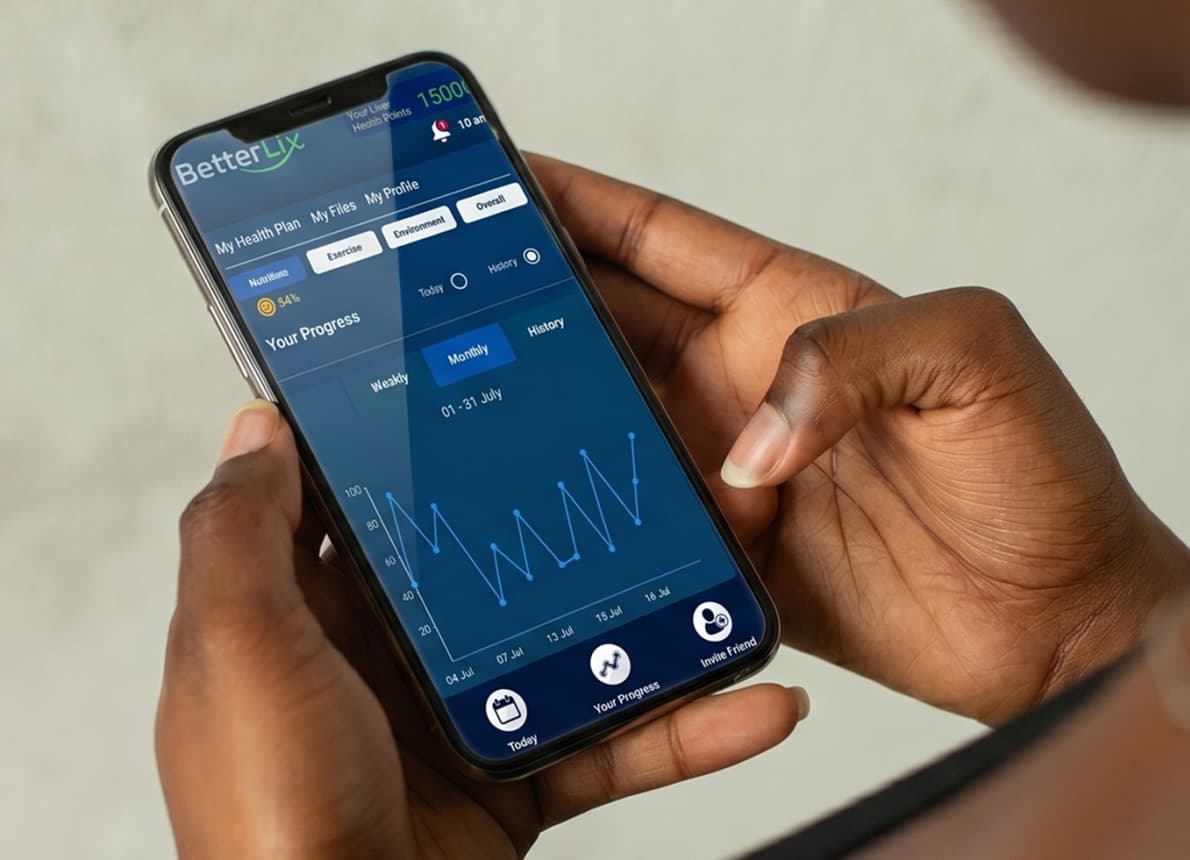
BetterLix app dashboard on a mobile phone

Liver Health Support

Support Your Liver Health Journey with BetterLix

BetterLix is a digital liver health support app designed to help you understand liver conditions, track symptoms, and build healthier daily habits. It provides simple, personalized guidance to help you stay informed about your liver health and monitor progress over time.

  • Liver symptom tracking and monitoring
  • Daily liver health habit guidance
  • Educational insights about liver conditions
  • Progress tracking for liver wellness

Common Questions

Answers to Common Toxicology & Environmental Testing Question

Can a blood test show whether a chemical is damaging my liver?

Usually not by itself. Specific tests for chemical toxicity are largely unavailable. Doctors combine liver blood tests, imaging, a detailed exposure history, and ruling out other causes to reach a diagnosis.

Can my job cause liver disease?

Yes, some jobs can. High workplace exposure to vinyl chloride is linked with a rare liver tumor called angiosarcoma, and organic solvents with toxic fatty liver disease. People who handle solvents, pesticides, or insecticides are considered to be at higher risk of liver damage.

Do I need a heavy metal test?

Your doctor decides based on your history and symptoms. Iron, zinc, and copper are needed in small amounts, but excess can be dangerous, and arsenic exposure has been linked to liver blood vessel injury. See the [Heavy Metal Screening guide](/liver-tests/alcohol-drug-toxicology-testing/toxicology-environmental-testing/heavy-metal-screening) for details.

Can supplements and over-the-counter medicines harm my liver?

Yes. Over-the-counter medicines, prescription drugs, and herbal supplements can all injure the liver. Acetaminophen should be taken only as directed and never with alcohol. Talk with your doctor before starting any new product, especially if you already have liver disease.

Will my liver recover if I avoid the exposure?

Sometimes. Repeating tests after a person leaves the suspected exposure can show whether the injury resolves or becomes chronic. Ongoing damage can scar the liver, so early evaluation matters.

Medical disclaimer: LiverDirectory provides educational information and a directory of providers. It does not provide medical advice, diagnosis, or treatment. Always consult a licensed physician regarding any medical condition.